
Driving requires more than simply knowing how to control a vehicle.
Every trip involves constant decisions. Drivers monitor traffic, watch road signs, judge distances, adjust speed, and respond to unexpected situations. Even experienced drivers can become overwhelmed when conditions become busy or unpredictable.
This is where modern cars have changed the driving experience.
Today’s vehicles are designed not only to move people but also to support their awareness. Through improved visibility, smart technology, and helpful driver assistance features, modern cars help reduce distractions and make it easier for drivers to stay focused.
The goal is not to replace the driver. It is to give drivers better information and support when they need it most.
Better visibility improves awareness
One of the simplest ways a car can help a driver stay aware is by improving what they can see.
Modern vehicle designs often focus on creating better visibility around the driver. Larger mirrors, improved camera systems, clearer displays, and better lighting all help drivers understand what is happening around them.
Blind spots are one of the biggest challenges on the road. A driver may look carefully but still miss another vehicle or object nearby.
Features like blind spot monitoring help provide an extra layer of awareness by alerting drivers when something is difficult to see.
Better visibility reduces uncertainty and allows drivers to make safer decisions.
Driver assistance reduces mental workload
Driving involves many repetitive tasks.
Maintaining speed, keeping distance from other vehicles, staying centered in a lane, and monitoring traffic all require attention. During long journeys, these tasks can become tiring.
Modern driver assistance systems help reduce some of this workload.
Adaptive cruise control can help maintain a safe distance from vehicles ahead. Lane assistance features can support drivers by helping them notice when they unintentionally drift.
These systems do not remove responsibility from the driver. Instead, they provide support that helps drivers stay focused on the bigger picture.
When routine tasks become easier, drivers can dedicate more attention to important situations.
Cameras provide a clearer picture
Parking and maneuvering have become easier thanks to improved camera technology.
Rear cameras, surround-view systems, and parking sensors help drivers understand their surroundings more clearly. This is especially useful in crowded areas where visibility is limited.
A driver may not always see a small object, pedestrian, or obstacle from the driver’s seat. Cameras provide additional information that makes these situations easier to manage.
This extra awareness reduces stress and helps drivers feel more confident.
Parking becomes less about guessing and more about having accurate information.
Smart alerts keep drivers informed
Modern cars communicate with drivers constantly.
Warning systems can provide information about tire pressure, vehicle performance, nearby obstacles, and potential safety concerns. These alerts help drivers notice issues before they become serious.
A vehicle that provides useful information helps drivers make better decisions.
Instead of discovering a problem after it affects performance, drivers can respond earlier.
The best warning systems are designed to be helpful without becoming distracting. They provide important information at the right moment.
Improved lighting supports awareness
Lighting technology has also improved significantly.
Driving at night or in poor weather can reduce visibility and increase stress. Modern lighting systems help drivers see the road more clearly and notice potential hazards sooner.
Some vehicles use adaptive lighting systems that adjust based on driving conditions. This helps illuminate areas that may otherwise be difficult to see.
Clear visibility at night improves confidence and reduces the effort required to interpret the road.
Technology helps reduce distractions
Distraction is one of the biggest challenges drivers face.
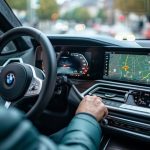
Modern cars address this by making important information easier to access. Integrated navigation systems, voice controls, and smartphone connectivity allow drivers to manage tasks without constantly looking away from the road.
A well-designed system keeps essential controls simple and accessible.
The purpose of good technology is not to fill the cabin with features. It is to make driving easier and reduce unnecessary attention shifts.
When information is organized properly, drivers can remain more engaged with their surroundings.
Better comfort supports focus
Awareness is not only about technology.
Physical comfort also affects how focused a driver can remain.
A driver who is uncomfortable becomes tired faster. Poor seating, excessive noise, and harsh ride quality can reduce concentration during longer journeys.
Modern vehicles often improve awareness by creating a calmer environment.
Supportive seats, quieter cabins, and smoother rides allow drivers to stay comfortable for longer periods. When the body is relaxed, the mind is better prepared to handle the demands of driving.
Vehicles can learn driving patterns
Some newer vehicles use intelligent systems that adapt to driver preferences.
They can remember settings, adjust comfort features, and provide personalized experiences that make driving feel more natural.
While these features may seem like simple conveniences, they contribute to a smoother relationship between the driver and the vehicle.
A car that feels familiar and predictable allows drivers to spend less effort managing the vehicle and more effort paying attention to the road.
Awareness creates confidence
A driver who understands their surroundings feels more confident.
Modern vehicles help create this confidence by providing information, improving visibility, and supporting decision-making. They reduce the feeling of uncertainty that often causes stress while driving.
Confidence does not mean becoming careless. In fact, the best technology encourages drivers to remain engaged while giving them useful assistance.
A well-supported driver is often a more attentive driver.
The takeaway
Modern cars help drivers stay more aware by combining better visibility, smart assistance systems, improved comfort, and useful information.
They are designed to support human attention, not replace it. Features like cameras, sensors, alerts, and adaptive systems help drivers understand their environment and respond more effectively.
The future of driving is not only about faster vehicles or more advanced machines.
It is about creating a driving experience where people feel informed, confident, and prepared for whatever the road brings. A car that helps you stay aware is not just convenient. It is a valuable partner every time you drive.