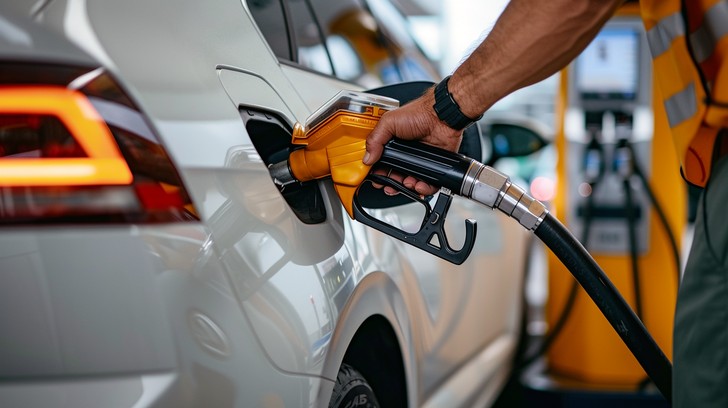

You fill up your tank, drive the same routes you always do, and somehow find yourself back at the fuel station sooner than expected. If your car suddenly seems to be drinking more fuel, it is easy to blame rising fuel prices or assume that heavier traffic is the problem.
Sometimes, though, your car is giving you a warning.
A sudden increase in fuel consumption can be caused by something as simple as incorrect tyre pressure or as serious as an engine problem. Understanding the common causes can help you identify the issue early, save money at the pump, and keep your car running properly.
1. Your Tyres May Not Have Enough Air
One of the simplest reasons for increased fuel consumption is incorrect tyre pressure.
When tyres are underinflated, more of their surface comes into contact with the road. This increases rolling resistance, meaning the engine has to work harder to move the vehicle.
Check your tyre pressure regularly and use the recommended pressure listed by your vehicle manufacturer. Do not rely on how the tyres look because a tyre can be underinflated without appearing obviously flat.
If one tyre keeps losing pressure, have it inspected for a puncture, damaged valve, or another problem.
2. You May Be Driving More Aggressively
Your driving style has a direct effect on fuel consumption.
Frequent hard acceleration, sudden braking, and high-speed driving can all increase the amount of fuel your engine uses. Rapidly accelerating from traffic lights may feel normal, but doing it repeatedly can make a noticeable difference over time.
Try accelerating smoothly and maintaining a steady speed whenever traffic and road conditions allow. Looking farther ahead can also help you avoid unnecessary braking and acceleration.
Small changes to your driving habits can add up over hundreds of kilometres.
3. Too Much Idling
Leaving your engine running while the car is stationary consumes fuel without taking you anywhere.
If you regularly sit in your car with the engine running while waiting for someone, spending time parked, or dealing with long periods of inactivity, that fuel adds up.
Some modern vehicles automatically switch the engine off during certain stops to reduce unnecessary fuel use. If your vehicle does not have this feature, avoid prolonged idling when it is safe and appropriate to switch the engine off.
4. A Dirty or Clogged Air Filter
Your engine needs a steady supply of air to operate efficiently.
If the air filter becomes excessively dirty or clogged, it can restrict airflow. Depending on the vehicle and engine management system, this may affect performance and fuel economy.
Air filters are relatively simple maintenance items, so check your vehicle’s recommended service schedule. If the filter is due for replacement, changing it can help maintain proper engine operation.
5. Faulty Sensors Can Affect Fuel Consumption
Modern engines rely on various sensors to determine how they should operate.
Components such as the oxygen sensor and mass airflow sensor provide information that helps the engine control system manage the air and fuel mixture.
If one of these sensors develops a fault, the engine may not operate as efficiently as it should. You might also notice symptoms such as rough running, poor acceleration, or a check engine light.
If fuel consumption suddenly increases without an obvious explanation, having the vehicle scanned for fault codes can help identify potential problems.
6. Old or Incorrect Engine Oil
Engine oil reduces friction between moving components and helps the engine operate smoothly.
If the oil is old, contaminated, or the wrong specification for your vehicle, engine efficiency may be affected. Neglected oil changes can also contribute to other engine problems over time.
Follow the manufacturer’s recommended oil specification and service intervals. Regular maintenance helps ensure that the engine is operating under the conditions it was designed for.
7. Your Brakes Could Be Dragging
If a brake component is not releasing properly, it can create constant resistance while the car is moving.
This forces the engine to work harder and can increase fuel consumption. A dragging brake may also cause the affected wheel to become unusually hot, produce a burning smell, or make the vehicle feel as though it is struggling to move.
Brake problems should be inspected promptly because they affect both fuel economy and safety.
8. Extra Weight Can Make a Difference
The heavier your vehicle is, the more energy it generally takes to move it.
If you regularly carry heavy tools, equipment, luggage, or other items that you do not need, removing unnecessary weight can help reduce the workload on the engine.
This does not mean you should strip your car of everything useful. Just avoid treating the boot or cargo area as permanent storage.
9. Air Conditioning and Weather Can Affect Consumption
Your car’s air conditioning system requires energy to operate, which can increase fuel consumption, particularly during extended use.
Hot weather can also affect fuel economy in other ways. Traffic conditions, tyre pressure, road surface, and the way you use climate control can all contribute.
This does not mean you should avoid using the air conditioner when you need it. Comfort and safety matter too. Instead, recognize that changes in weather and climate control use can partly explain why your fuel consumption varies.
10. Short Trips Can Be Surprisingly Inefficient
Frequent short journeys can use more fuel than longer drives.
When you repeatedly start the car, drive a short distance, and switch it off before reaching normal operating conditions, the engine may not operate as efficiently as it would during a longer trip.
If you have several short errands to run, combining them into one journey when practical can reduce unnecessary starts and stops.
Track Your Fuel Consumption
Before assuming there is a mechanical problem, keep track of your fuel use.
Record how much fuel you put in and how far you drive between fill-ups. Comparing several tanks can give you a better idea of whether consumption has genuinely changed.
If the increase is sudden and continues despite normal driving and proper tyre pressure, have the vehicle inspected.
Do Not Ignore a Sudden Change
A small variation in fuel economy is normal. Traffic, weather, driving speed, road conditions, and passenger or cargo weight can all affect consumption.
A significant or persistent increase, however, deserves attention.
Start with the simple things. Check your tyre pressure, remove unnecessary weight, consider your driving habits, and make sure routine maintenance is up to date. If the problem continues, a mechanic can check the engine, brakes, sensors, and other systems.
Your car should not suddenly become noticeably thirstier without a reason. Finding that reason early can save fuel, prevent further damage, and help you avoid a much larger repair bill later.
Sometimes, better fuel economy starts with something as simple as checking your tyres. Other times, it requires professional attention. Either way, paying attention to the change is the first step toward getting your car back to normal.