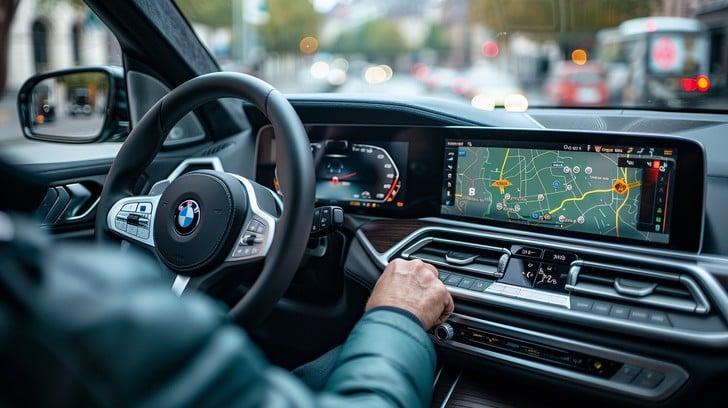

Modern cars can do things that seemed impossible a few decades ago.
They can warn drivers about nearby vehicles, help maintain lanes, adjust speed automatically, detect obstacles, and provide information that makes driving easier. These features are designed to improve safety, comfort, and convenience.
Yet many drivers still choose to turn them off.
At first, it may seem strange. Why would someone disable technology that was created to help them? The answer is more complicated than simply not liking new features.
Many drivers turn off advanced systems because of trust, comfort, personal preference, or the way those features interact with their driving style.
Understanding this behavior reveals an important truth about technology. The best features are not only the ones with impressive capabilities. They are the ones drivers actually feel comfortable using.
Familiar habits are hard to change
People naturally prefer what they know.
Many drivers learned to operate vehicles without modern assistance systems. They developed habits around judging distance, controlling speed, and staying centered in a lane without electronic support.
When new technology changes those habits, it can feel unfamiliar.
A driver who has spent years controlling every part of the driving experience may feel uncomfortable when a vehicle begins making adjustments automatically.
Even if the system works correctly, the change itself can create hesitation.
Familiarity often influences whether people accept new features.
Some systems feel intrusive
Advanced features are designed to assist drivers, but not every driver experiences them that way.
A lane assistance system may gently adjust steering when a vehicle moves toward a lane marking. Some drivers appreciate this support, while others feel like the car is interfering.
Similarly, alerts and warnings can become frustrating if they happen frequently in certain environments.
A driver who regularly travels on narrow roads, crowded streets, or poorly marked lanes may feel that the system reacts too often.
The issue is not always that the technology is ineffective. Sometimes the challenge is how well it matches the driver’s environment.
Too many alerts create frustration
Modern vehicles can provide a lot of information.
Warning sounds, dashboard messages, visual indicators, and notifications are meant to keep drivers informed. However, too many alerts can become overwhelming.
When drivers receive frequent warnings, they may start ignoring them or turning certain features off.
This is especially true when alerts occur in situations where the driver feels in control.
A system that warns too often can lose its impact because the driver stops seeing it as useful information.
Good technology needs balance. It should support awareness without creating unnecessary distraction.
Drivers want control
Driving is often connected to a feeling of independence.
Many people enjoy the sense of control that comes with operating a vehicle. They like choosing how quickly to accelerate, how to approach a turn, and how to respond to changing conditions.
Some advanced features can feel like they reduce that personal involvement.
Adaptive cruise control, for example, changes how drivers manage speed. Automatic braking systems may respond before the driver expects.
These features are not removing the driver’s role, but they can change the experience.
Some people need time to adjust to that change.
Lack of understanding affects trust
Another reason drivers turn off advanced features is that they do not fully understand how they work.
Technology is easier to trust when people know what to expect.
If a driver does not understand why a vehicle is braking, steering, or giving an alert, the reaction may be frustration or concern.
Clear explanations from manufacturers and dealerships can make a major difference.
Drivers who understand when and why a feature activates are usually more comfortable using it.
Knowledge builds confidence.
Different roads require different preferences
A feature that works well in one environment may feel less useful in another.
Highway driving may be ideal for certain assistance systems. City streets, crowded areas, and unusual road conditions may create different experiences.
Some drivers turn features off temporarily because the current situation does not match how the system is designed to operate.
This does not necessarily mean they dislike the technology.
It often means they are adjusting their vehicle to fit the moment.
Older systems created skepticism
Not every early version of a technology worked perfectly.
Some drivers remember older systems that felt unreliable or poorly designed. These experiences can influence how they view newer versions.
A driver who had a frustrating experience with an earlier feature may be less willing to trust improvements later.
Technology evolves, but first impressions can last.
Building trust requires consistent performance over time.
Simplicity still matters
Some drivers prefer a simpler driving experience.
They may enjoy fewer screens, fewer alerts, and fewer automated decisions. For them, a vehicle that focuses on essential functions feels more natural.
This preference is not necessarily against technology.
It is often about reducing complexity.
The ideal vehicle experience depends on the driver. Some people want maximum assistance, while others prefer a more traditional approach.
Features work best when drivers choose them
The most effective technology is usually the technology people willingly use.
Drivers are more likely to benefit from advanced systems when they understand them, trust them, and feel comfortable with their operation.
A feature that remains switched off provides no value.
Manufacturers continue improving these systems by making them smoother, more predictable, and easier to personalize.
Giving drivers control over settings also helps create a better relationship between people and technology.
The takeaway
Some drivers turn off advanced features because they feel unfamiliar, intrusive, distracting, or unnecessary for their driving style.
The issue is not always a rejection of technology. Often, it comes down to comfort, trust, and the desire to maintain control.
Modern driving technology works best when it supports the driver without creating frustration. The goal is not to make drivers feel replaced. It is to help them feel more confident and aware behind the wheel.
As these systems continue improving, the relationship between drivers and their vehicles will become more natural. The best features will not just be advanced. They will feel like a helpful part of the driving experience.