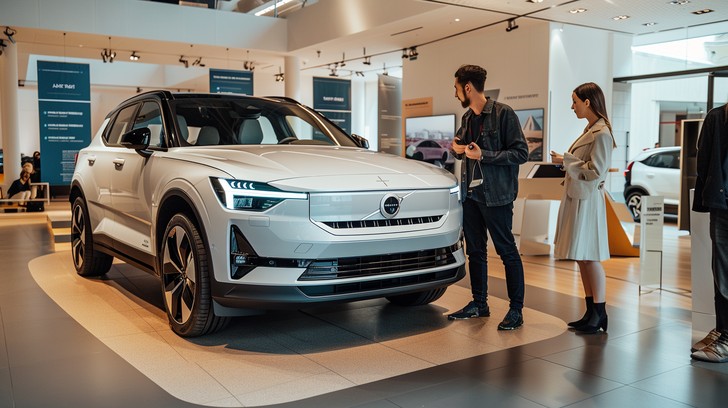

The price tag is easy to see. What is harder to see is whether the car behind that number is actually worth it. At first glance, a vehicle might look like a great deal or an obvious splurge. But real value is not about the number alone. It is about what you get over time, how the car fits your life, and whether it holds up after the excitement fades.
The first thing to understand is that price and value are not the same. A lower price does not always mean a better deal, and a higher price does not guarantee quality. A car is worth its price when what it offers matches or exceeds what you pay for it in real use, not just on paper.
Start by looking at what you are actually paying for. Break the price down into key areas such as performance, comfort, reliability, technology, and overall build quality. A car that excels in areas that matter to you is more likely to feel worth it over time. For example, if you spend hours driving each week, comfort and fuel efficiency may matter more than acceleration or design. If the car delivers strongly in those areas, the price begins to make more sense.
Condition plays a huge role, especially with used cars. Two cars with the same model and year can feel completely different depending on how they have been maintained. A well kept vehicle with a clean interior, smooth performance, and a solid service history often offers better value than a cheaper option with hidden issues. Paying a bit more for a car in better condition can save you from expensive repairs later.
Mileage is another factor, but it should not be viewed in isolation. A car with higher mileage that has been properly maintained can be a better choice than a low mileage car that has been neglected. Look at how the car drives, how it sounds, and how it responds. These details often reveal more about its true condition than numbers alone.
Ownership costs are where many people misjudge value. The purchase price is only the beginning. Fuel consumption, maintenance, insurance, and parts replacement all contribute to the real cost of owning the car. A vehicle that is cheap to buy but expensive to maintain may not be worth it in the long run. On the other hand, a slightly higher upfront cost may be justified if the car is efficient and reliable over time.
Another way to judge value is by comparing similar options. Look at other cars in the same category, with similar features and condition. If one car is priced significantly higher, there should be a clear reason. It could be better build quality, newer technology, or stronger reliability. If that difference is not obvious, the higher price may not be justified. Comparison helps you see whether the price aligns with the market.
Test driving is one of the most important steps in this process. A car might look great in photos or on paper, but the real experience comes from being behind the wheel. Pay attention to how it accelerates, how it handles, and how comfortable you feel inside. Notice any unusual sounds or vibrations. If something feels off during a short drive, it will likely feel worse over time. A car that drives smoothly and feels right from the start is more likely to be worth its price.
Technology and features should also be considered carefully. It is easy to be drawn to cars with advanced systems and extra features, but their value depends on how much you will actually use them. A simple, reliable system that works well can be more valuable than a complex setup that feels unnecessary or difficult to maintain. Focus on features that improve your daily experience rather than those that simply look impressive.
Depreciation is another hidden factor. Some cars lose value quickly, while others hold their price better over time. A car that retains its value is often a safer financial choice, especially if you plan to sell it later. Researching how a model performs in the resale market can give you insight into whether the price is justified.
Trust your instincts, but support them with facts. If a deal feels too good to be true, it often is. At the same time, if a car feels overpriced, take the time to understand why. Sometimes the value is in areas that are not immediately visible, such as long term reliability or lower maintenance costs.
It also helps to think about how long you plan to keep the car. If you intend to use it for many years, durability and efficiency become more important. In that case, paying more upfront for a dependable vehicle can be worth it. If your plan is shorter, factors like resale value and initial cost may carry more weight.
In the end, a car is worth its price when it fits your needs without creating unnecessary stress, whether financial or practical. It should feel reliable, comfortable, and suited to your daily routine. The goal is not to find the cheapest option or the most expensive one. It is to find the balance where cost and benefit meet in a way that makes sense for you.
When you look beyond the price tag and consider the full picture, the decision becomes clearer. A car that delivers consistent value in your everyday life will always feel worth what you paid for it.