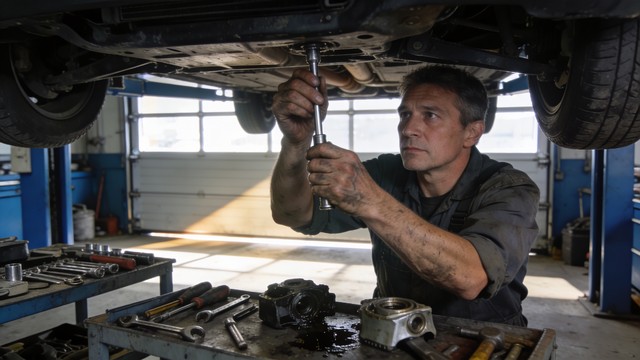

A car rarely breaks down without warning. More often, it gives small hints that something is not right, a strange noise, a dashboard light, or a subtle change in how it drives. The difference between a dependable car and one that leaves you stranded usually comes down to how well those signs are handled. Keeping your car reliable does not require expert mechanical skills, just consistent attention and a few smart habits.
One of the most important things you can do is stay on top of regular oil changes. Engine oil keeps all the moving parts lubricated and prevents excessive wear. Over time, oil breaks down and becomes less effective. Ignoring this can lead to serious engine damage. Check your owner’s manual for the recommended interval and stick to it. It is a simple step that goes a long way in preserving your engine’s health.
Tire care is another key factor in maintaining dependability. Properly inflated tires improve fuel efficiency, handling, and safety. Underinflated tires can wear out faster and increase the risk of a blowout. It takes only a few minutes to check tire pressure, and many gas stations have air pumps available. Also, rotating your tires regularly helps them wear evenly, which extends their lifespan.
Your car’s battery often gets overlooked until it fails. A weak battery can leave you stuck at the worst possible time. Most car batteries last between three to five years, but extreme temperatures and frequent short trips can shorten that lifespan. Pay attention to signs like slow engine cranking or dim headlights. If your battery is getting old, it is better to replace it before it fails completely.
Fluids play a major role in keeping your car running smoothly. Beyond engine oil, there are several other fluids that need attention, including coolant, brake fluid, and transmission fluid. Low or dirty fluids can lead to overheating, poor braking performance, or transmission issues. Make it a habit to check fluid levels periodically and top them up when needed.
Brakes are critical for safety and should never be ignored. If you hear squeaking or grinding noises when braking, it is a sign that your brake pads may be worn. Addressing this early can prevent more expensive damage to the brake system. Regular inspections help ensure that everything is functioning properly and give you peace of mind on the road.
Paying attention to warning lights on your dashboard is another simple yet important practice. It can be tempting to ignore a light if the car still seems to be running fine, but those indicators are there for a reason. Whether it is the check engine light or a tire pressure warning, it is best to investigate the issue as soon as possible. Catching problems early often means easier and cheaper repairs.
Keeping your car clean might not seem like a reliability issue, but it actually matters more than many people think. Dirt, salt, and grime can lead to rust and corrosion over time. Washing your car regularly, especially the underside, helps protect it from long term damage. A clean interior also makes it easier to notice leaks or unusual smells that could indicate a problem.
Driving habits also play a big role in how dependable your car remains. Aggressive driving, such as rapid acceleration and hard braking, puts extra stress on the engine, transmission, and brakes. Smooth and steady driving reduces wear and tear and helps your car last longer. It also improves fuel efficiency, which is an added benefit.
Do not underestimate the value of regular inspections. Even if your car seems fine, having a professional check it periodically can uncover hidden issues. Mechanics can spot early signs of wear that you might miss. Preventive maintenance is almost always cheaper than major repairs after a breakdown.
Another often overlooked tip is to keep track of your maintenance history. Whether you use a notebook or a mobile app, recording when services are performed helps you stay organized. It ensures that you do not miss important intervals and can also be useful if you decide to sell the car in the future.
Using quality parts and fuel also contributes to reliability. Cheap or low quality components may save money in the short term but can lead to problems later. Investing in good quality replacements and following manufacturer recommendations helps keep your car running as intended.
Finally, trust your instincts. If something feels off while driving, do not ignore it. Strange vibrations, unusual noises, or changes in performance are often early warnings. Addressing them quickly can prevent bigger issues down the line.
Keeping your car dependable is not about doing anything complicated. It is about consistency and awareness. Small actions, done regularly, can make a big difference in how your car performs over time. By taking care of the basics and paying attention to warning signs, you can enjoy a smoother, safer driving experience and avoid the stress of unexpected breakdowns.