
Your car is always talking to you. Not with words, but through small signals. The way it responds when you accelerate, how it feels over bumps, the sound it makes when you brake. Over time, these details begin to change, and that change is often the result of wear and tear. The good news is that much of it can be slowed down with simple habits that do not require extra effort, just a bit more awareness.
One of the easiest ways to reduce wear is by changing how you start your drive. Instead of rushing off the moment the engine starts, give the car a few seconds to settle. This allows fluids like engine oil to circulate properly. It may not seem like much, but this small pause helps reduce strain on internal components, especially during the first few minutes of driving.
Smooth driving makes a bigger difference than most people realize. Sudden acceleration and hard braking put unnecessary stress on the engine, transmission, and braking system. Gradual acceleration and controlled braking help these components last longer. It also improves fuel efficiency and creates a more comfortable driving experience. Over time, this single habit can significantly reduce the rate at which parts wear out.
Paying attention to road conditions is another simple but effective approach. Potholes, rough surfaces, and uneven roads can damage tires, suspension, and alignment. While it is not always possible to avoid them, being more aware of the road ahead helps you react in time. Slowing down when approaching rough patches reduces the impact on your car and prevents long term damage.
Tire care is often overlooked, yet it plays a major role in overall wear. Keeping your tires properly inflated ensures even contact with the road. Underinflated or overinflated tires wear unevenly and can affect handling. Checking tire pressure regularly and rotating tires at recommended intervals helps extend their lifespan and protects other components like the suspension.
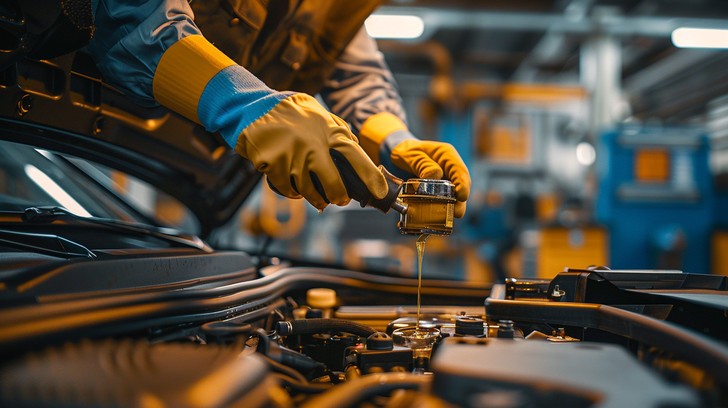
Regular fluid checks are another key habit. Engine oil, coolant, brake fluid, and transmission fluid all support different systems within the car. When these fluids are at the right levels and in good condition, they reduce friction and prevent overheating. Ignoring them leads to increased wear and can cause parts to fail earlier than expected. A quick check now and then can prevent much larger problems later.
Keeping your car clean also contributes to its longevity. Dirt, dust, and debris may seem harmless, but they can affect both the exterior and interior over time. Washing the car helps protect the paint and prevents buildup that can lead to corrosion. Inside the car, keeping surfaces clean reduces wear on materials and maintains a more comfortable environment.
Another simple habit is managing how much weight you carry. Extra load puts additional pressure on the engine, brakes, and suspension. If your car is constantly carrying items that are not needed, it is working harder than necessary. Removing unnecessary weight improves efficiency and reduces strain on key components.
Using your car’s features properly can also make a difference. For example, using the parking brake when needed helps reduce stress on the transmission. Turning off the engine during long idle periods prevents unnecessary wear. These small actions may seem minor, but they add up over time.
Routine maintenance remains one of the most effective ways to reduce wear. Following the recommended service schedule ensures that parts are inspected and replaced before they cause larger issues. It also keeps the car operating at its best. Skipping maintenance may save time in the short term, but it often leads to higher costs and more significant wear later.
Driving with awareness of temperature conditions is another factor. Extremely hot or cold weather can affect how your car performs. Allowing the engine to warm up slightly in colder conditions and avoiding aggressive driving in extreme heat helps protect internal systems. These adjustments do not take much effort, but they help the car adapt to different environments.
Listening to your car is just as important as maintaining it. Unusual sounds, vibrations, or changes in performance are often early signs of wear. Addressing them early prevents further damage. Ignoring them allows small issues to grow into larger ones that are more difficult and expensive to fix.
Consistency is what makes these habits effective. None of them require major changes or technical knowledge. They are simple actions that fit into your normal routine. The key is to apply them regularly rather than occasionally.
Reducing wear and tear is not about keeping a car in perfect condition forever. It is about slowing down the natural process of aging and keeping the car reliable for as long as possible. A well cared for car does not just last longer, it also performs better and feels more dependable every time you drive it.
In the end, the way you treat your car day to day has a greater impact than any single repair or upgrade. Small choices, made consistently, shape how your car holds up over time. When you pay attention to these details, you are not just maintaining a vehicle. You are preserving the experience of driving it.