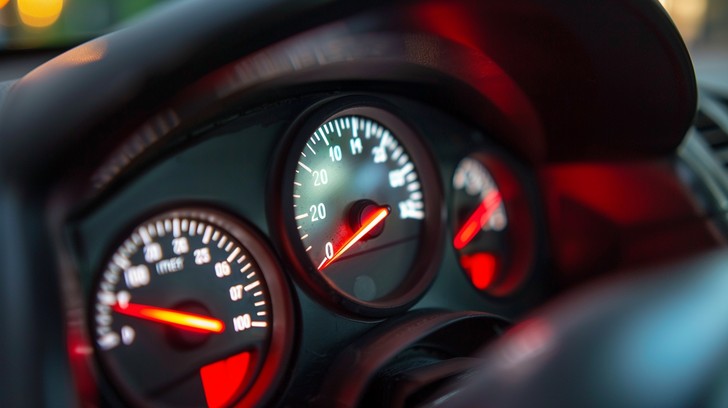

That little light on your dashboard might look harmless, especially when the car is still driving normally. But some warning lights are simply reminders, while others are your car’s way of telling you to stop and pay attention. Knowing the difference can save you from an expensive repair, or even a dangerous situation.
Modern cars use dashboard warning lights to communicate problems with different systems. While the exact symbols and colors can vary between vehicles, understanding the basics can help you respond appropriately when something appears.
Red Usually Means Urgent
The first thing to look at when a warning light appears is its color.
Red warning lights generally indicate a serious issue that may require immediate attention. Depending on the symbol, you may need to stop driving as soon as it is safe to do so.
For example, a red oil pressure warning light can indicate that the engine is not receiving adequate oil pressure. Continuing to drive with a serious oil pressure problem can cause major engine damage.
A red temperature warning light can also be serious. It may indicate that the engine is overheating. If this happens, find a safe place to stop and switch off the engine. Continuing to drive an overheating vehicle can result in significant damage.
Yellow or Amber Means Check It Soon
Yellow or amber warning lights usually indicate that something needs attention, but the situation is not necessarily an immediate emergency.
The check engine light is one of the most recognizable examples. It can appear because of something relatively simple, such as a loose fuel cap, or because of a more significant engine or emissions problem.
If the light remains on and the car feels normal, arrange for the vehicle to be checked as soon as practical. If the check engine light begins flashing, however, the situation can be more serious. In that case, reduce driving and seek professional assistance.
The Battery Warning Light
The battery-shaped warning light does not necessarily mean the battery itself is the problem.
It can indicate an issue with the vehicle’s charging system. Problems with the alternator, battery connections, wiring, or related components can cause the light to appear.
If the light comes on while driving, electrical systems may eventually stop working once the battery loses its charge. Avoid unnecessary driving and have the charging system checked promptly.
The Brake Warning Light
A brake warning light deserves immediate attention, particularly if it stays on after releasing the parking brake.
Depending on the vehicle, it can indicate that the parking brake is engaged, the brake fluid is low, or there is another issue with the braking system.
If the light remains on and you notice changes in braking performance, do not continue driving normally. Your brakes are one of the most important safety systems in the car, so any unusual behavior should be checked quickly.
The Tyre Pressure Light
The tyre pressure monitoring light usually looks like a tyre with an exclamation mark inside it.
It means one or more tyres may have low pressure. Low tyre pressure can affect handling, braking, fuel efficiency, and tyre wear.
When the light appears, check the pressure of all tyres using the vehicle manufacturer’s recommended pressure. Do not simply rely on how the tyre looks, because a tyre can be significantly underinflated without appearing obviously flat.
If the light keeps returning after correcting the pressure, there may be a puncture or another problem that needs inspection.
The ABS Warning Light
ABS stands for anti-lock braking system. If the ABS warning light stays illuminated, there may be a problem with the system.
Your normal brakes may still function, but the anti-lock feature could be unavailable. This can affect how the vehicle behaves during hard braking, particularly on slippery surfaces.
Have the system checked rather than assuming the light will disappear on its own.
The Airbag Warning Light
An illuminated airbag or supplemental restraint system warning light indicates a potential problem with one or more components of the vehicle’s restraint system.
This could involve an airbag, sensor, seatbelt component, or related wiring.
Because airbags are designed to protect occupants during a collision, this warning should not be ignored. Arrange for the system to be inspected by a qualified professional.
The Traction or Stability Control Light
A traction control or electronic stability control light can mean different things depending on how it appears.
If the light flashes briefly while driving, the system may simply be working to help maintain traction. If it stays illuminated continuously, there could be a fault or the system may have been switched off.
Check your vehicle’s manual to understand what the specific symbol means.
The Seatbelt Reminder
This is one warning light you should not ignore, even though it is not usually related to a mechanical fault.
The seatbelt warning system reminds occupants to buckle up. Some vehicles also use sensors to detect passengers and may alert you when an occupied seat does not have a fastened belt.
It is a simple warning, but one that can make a significant difference in a crash.
Do Not Ignore a Warning Because the Car Feels Fine
One of the biggest mistakes drivers make is assuming that everything is okay because the vehicle still drives normally.
Warning lights often appear before a problem becomes obvious. Your car’s computer systems can detect issues that you cannot feel from behind the wheel.
When a light appears, check your owner’s manual for the exact meaning and recommended response. If the warning indicates a serious problem, stop somewhere safe and seek professional help.
Dashboard warning lights are not designed to frighten you. They are there to give you information before a problem becomes worse.
Learning what the most common symbols mean makes it easier to react calmly and appropriately. A red light may mean you need to stop immediately. A yellow light may give you time to arrange an inspection. Other lights may simply remind you to take an action such as fastening a seatbelt.
The important thing is knowing the difference. When your dashboard speaks, paying attention can protect your car, your wallet, and most importantly, you and everyone else on the road.