
Buying your first car is exciting until you realize how easy it is to make an expensive decision. The shiny exterior, comfortable seats, impressive screen, and promise of freedom can make it tempting to say yes before thinking about what ownership will actually cost.
The good news is that you do not need to be a car expert to make a smart purchase. You just need to know which mistakes to avoid. A little preparation before handing over your money can save you from months or even years of regret.
1. Focusing Only on the Purchase Price
One of the biggest mistakes first-time buyers make is looking at the price tag and stopping there.
Buying a car comes with several ongoing expenses. Fuel, insurance, servicing, tyres, repairs, registration, and other running costs can add significantly to the amount you spend.
A car that costs less upfront may actually be more expensive to own if it has poor fuel economy or frequent mechanical problems.
Before buying, estimate how much the vehicle will realistically cost you each month. Make sure the total fits comfortably within your budget rather than stretching yourself just to afford the initial purchase.
2. Buying Based on Looks Alone
There is nothing wrong with wanting a car that looks good. In fact, appearance is an important part of choosing something you will enjoy owning.
The problem comes when looks become more important than practicality.
A car might have an attractive design but poor fuel economy, limited storage, uncomfortable seats, or expensive maintenance. You may love how it looks in the showroom but become frustrated with it after using it every day.
Think about how the car fits your actual lifestyle. Consider your commute, passengers, parking situation, road conditions, and typical trips before making a decision.
3. Skipping the Test Drive
Never assume you will like a car simply because you like its specifications or appearance.
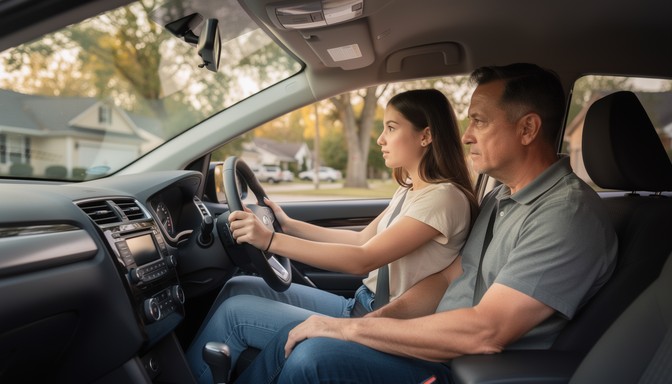
A test drive can reveal things that photos and advertisements cannot. You can find out whether the seats are comfortable, whether you have good visibility, how the steering feels, and whether the car is easy to operate.
Try to drive in conditions similar to your normal routine. If you spend most of your time in traffic, test the car in traffic. If you regularly use highways, see how it feels at higher speeds.
Pay attention to anything that feels uncomfortable or unusual. A problem that seems minor during a short drive can become irritating when you experience it every day.
4. Ignoring the Car’s History
This mistake is particularly important when buying a used vehicle.
A car can look clean and polished while hiding a history of accidents, poor maintenance, or mechanical problems. Do not rely solely on what the seller tells you.
Ask for maintenance records and find out how the vehicle has been used. If possible, have an independent mechanic inspect it before you buy.
The inspection may cost you some money, but that expense can be tiny compared with the cost of discovering a major mechanical problem after the purchase.
5. Spending Too Much on Features
Modern cars can come with an impressive list of technology. Large screens, premium audio systems, advanced lighting, panoramic roofs, powered seats, and countless convenience features can make a car feel more attractive.
But first-time buyers can easily get carried away.
Ask yourself whether a feature will actually improve your everyday life. Safety equipment, good visibility, comfortable seats, reliable connectivity, and useful driver assistance systems may be worth paying for.
A feature that you will barely use is harder to justify, especially if it significantly increases the purchase price.
6. Rushing Because You Are Excited
Buying your first car can create a strong emotional reaction. You finally find something you like, and suddenly you want to complete the deal immediately.
That excitement can make it easier to overlook problems.
Do not be afraid to walk away and think about the decision. Compare similar vehicles, research common problems, check ownership costs, and make sure the numbers work for you.
If a seller is putting pressure on you to make an immediate decision, take that as a reason to slow down rather than speed up.
A good car will not become a bad car simply because you take a little more time to think.
7. Forgetting About the Future
Your first car should not only work for you today. Think about how your needs could change during the time you expect to own it.
Maybe you currently drive alone, but expect to carry passengers more often. Perhaps your job could change and give you a longer commute. You might also start traveling more frequently.
You do not need to predict your entire future, but considering likely changes can help you choose something with enough flexibility.
Buying a car that barely meets your needs today could leave you searching for another one sooner than expected.
Make Your First Purchase a Thoughtful One
Buying your first car does not have to be intimidating. The key is separating excitement from the actual decision.
Look beyond the price. Think about running costs, reliability, comfort, practicality, and safety. Test drive the vehicle and, especially with a used car, get it inspected. Do not pay for features you will rarely use, and never let pressure push you into a decision you are not comfortable with.
Most importantly, remember that there is no prize for buying a car quickly.
Your first car should give you freedom and confidence, not financial stress and constant repairs. Taking your time before buying can make the difference between simply owning a car and genuinely enjoying it.
The perfect first car does not need to be the fastest, newest, or most expensive option. It just needs to be one you can afford, trust, and comfortably live with.