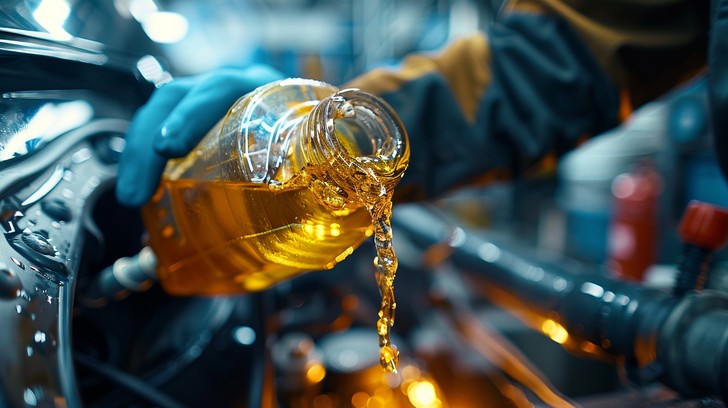

Skipping an oil change might seem like an easy way to save money. After all, if your car is still starting normally and the engine sounds fine, why spend money on an oil change right now? The problem is that engine oil does much more than simply sit inside the engine. It plays a crucial role in keeping moving parts lubricated, managing heat, and helping protect the engine from damage.
Putting off one service by a small amount may not immediately cause a major problem, but repeatedly ignoring oil changes can turn a simple maintenance task into an expensive repair. Here is what can happen when you leave old engine oil in your car for too long.
The Oil Gradually Loses Its Effectiveness
Fresh engine oil is designed to reduce friction between the many moving components inside an engine. It also contains additives that help keep the oil working properly under demanding conditions.
As the oil gets older, heat and repeated use gradually break down these properties. The oil can become contaminated with dirt, combustion byproducts, and other particles.
Once the oil can no longer perform as effectively, the engine receives less protection than it was designed to have.
Friction and Wear Can Increase
Inside an engine, many components move at extremely high speeds and temperatures. Engine oil creates a lubricating layer that helps these parts move smoothly against each other.
When the oil becomes degraded or too dirty, that protection can become less effective. Increased friction can contribute to additional wear on internal components.
You might not notice this immediately. Engine damage caused by poor lubrication can develop gradually, which is one reason skipping maintenance can be deceptive. The car may continue to drive normally while wear is taking place inside the engine.
The Engine Can Run Hotter
Engine oil does more than lubricate. It also helps carry heat away from certain engine components.
Old or degraded oil may not perform this job as effectively as fresh oil. Combined with increased friction, this can contribute to higher operating temperatures.
Engines are designed to operate within specific temperature ranges. Excessive heat can accelerate the deterioration of components and increase the risk of serious mechanical problems.
If your temperature warning light appears or the engine begins behaving unusually, do not assume an overdue oil change is the only possible cause. Have the vehicle checked.
Sludge Can Build Up
One of the more serious consequences of neglected oil changes is the formation of sludge.
As oil becomes contaminated and breaks down, thick deposits can develop inside the engine. These deposits can interfere with the movement of oil through passages and reduce proper lubrication.
Once significant sludge has formed, simply adding fresh oil may not solve the underlying problem. The engine may require additional cleaning or repairs, depending on the severity.
Regular oil changes help reduce the chance of excessive buildup developing in the first place.
Fuel Economy Can Suffer
A poorly lubricated engine may have to work harder than necessary.
As friction increases, the engine can become less efficient. You may notice that your fuel consumption is gradually getting worse, although many other factors can also affect fuel economy.
Changes in fuel consumption should not automatically be blamed on old oil, but maintaining the correct oil and service schedule can help the engine operate efficiently.
Engine Performance May Decline
As oil becomes old and contaminated, the engine may not feel as smooth as it normally does.
You might notice rougher operation, unusual noises, reduced responsiveness, or other changes in performance. These symptoms can have many possible causes, but neglected maintenance can contribute to poor engine operation.
The longer the problem continues, the greater the possibility of expensive damage.
The Risk of Major Engine Damage Increases
The worst-case scenario is significant engine damage.
If lubrication becomes severely inadequate, important internal components can suffer serious wear. In extreme cases, an engine can experience a major failure that requires extensive repair or replacement.
Compared with the cost of regular oil changes, major engine repairs can be extremely expensive.
This is why an oil change should be viewed as preventative maintenance rather than an unnecessary expense.
What If You Are Only Slightly Overdue?
Being slightly overdue does not necessarily mean your engine is already damaged.
Oil change intervals vary depending on the vehicle, engine, oil specification, driving conditions, and manufacturer’s recommendations. Some modern vehicles can also monitor oil life and provide service reminders.
If you have gone beyond the recommended interval, the sensible response is to arrange the service rather than panic. Check your owner’s manual or manufacturer’s guidance to determine the correct oil and service interval for your vehicle.
If you regularly drive in severe conditions, such as extreme heat, heavy traffic, dusty environments, or frequent short trips, your maintenance requirements may differ from those of someone who mostly drives longer journeys under easier conditions.
Do Not Ignore the Oil Warning Light
An oil pressure warning light is different from a routine oil-change reminder.
If a red oil pressure warning light comes on while you are driving, do not assume it simply means your oil change is overdue. It can indicate a serious lubrication or oil pressure problem.
Find a safe place to stop and switch off the engine. Continuing to drive with inadequate oil pressure can cause severe engine damage.
If you are unsure what a particular warning light means, check the owner’s manual or seek professional assistance.
Prevention Is Much Cheaper
An oil change is one of the simplest forms of vehicle maintenance, yet it can have a significant impact on engine longevity.
Following the recommended service schedule helps ensure that the engine has the appropriate oil and that other potential issues can be identified during routine servicing.
Keeping track of when the oil was last changed is simple. You can record the date and mileage in your phone, maintenance records, or another reminder system.
The important thing is consistency.
Protect the Engine Before Problems Start
Your engine is one of the most complex and expensive components in your vehicle. Keeping it properly lubricated is essential for its operation and long-term reliability.
Skipping an oil change once does not automatically mean your engine is ruined. The bigger concern is making delayed maintenance a habit. Over time, old oil can contribute to increased friction, heat, contamination, sludge, reduced efficiency, and eventually serious mechanical damage.
A routine oil change may feel like a small expense, but it is much easier to deal with than a major engine repair.
Taking care of the oil today is one of the simplest ways to help your engine keep working smoothly tomorrow.