
Your car can give you plenty of warning before something goes seriously wrong. The problem is that the warnings are often easy to dismiss. A strange sound, a dashboard light, or a tire that looks slightly low may not seem important when the car is still running normally. But paying attention to these small changes can save you money, prevent breakdowns, and keep you safer on the road.
You do not need to be a mechanic to stay on top of your car’s condition. There are six simple areas every car owner should regularly watch.
1. Tire Condition and Pressure
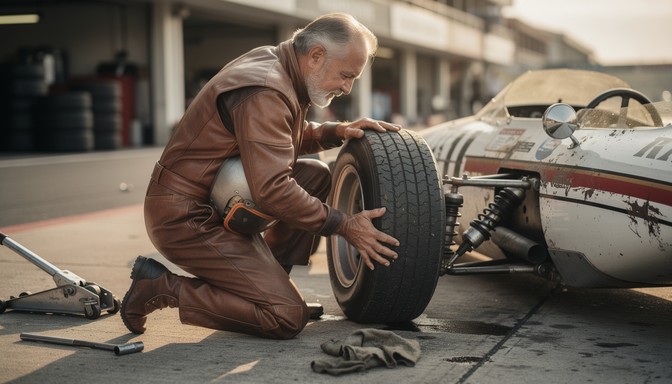
Your tires are the only parts of your car constantly touching the road, so their condition deserves regular attention.
Check your tire pressure periodically and make sure it matches the recommended pressure listed by the manufacturer. Incorrect pressure can affect handling, braking, fuel consumption, and tire life.
You should also look for uneven tread wear, cracks, bulges, or objects stuck in the tire. Uneven wear can point to alignment or suspension problems, while visible damage may indicate that a tire needs professional attention.
Do not forget the spare tire if your vehicle has one. There is little value in having a spare if it is flat when you actually need it.
2. Dashboard Warning Lights
A warning light on your dashboard is your car’s way of getting your attention. Some drivers become used to seeing a light and simply continue driving, especially when the vehicle seems to be working normally.
That can be a mistake.
Warning lights can indicate anything from a minor issue to a problem requiring immediate attention. If a warning light appears, check your owner’s manual or have the vehicle inspected to understand what it means.
Pay particular attention to lights that flash, as they can indicate a more urgent problem. The longer you ignore a warning, the greater the chance that a relatively small issue could develop into something more expensive.
3. Engine Oil and Other Fluids
Fluids keep many of your car’s most important systems operating properly. Engine oil reduces friction between moving components, while coolant helps control engine temperature. Brake fluid allows the braking system to operate correctly, and transmission fluid helps protect the transmission.
Check your engine oil according to the manufacturer’s recommended schedule and have it changed at the appropriate intervals. Also keep an eye out for fluid leaks underneath your vehicle.
Different fluids can have different colors and appearances, so a new puddle under the car should not automatically be ignored. If you notice a leak or an unusual drop in fluid level, get it checked.
A few minutes of attention can prevent significant mechanical damage.
4. Strange Sounds and Vibrations
Your car should have a familiar sound and feel. When that changes, pay attention.
A squealing noise when braking could point to worn brake components. A clicking sound while turning might indicate a drivetrain issue. New rattles, humming, knocking, or grinding sounds can also provide early clues that something needs attention.
Vibrations deserve similar attention. If the steering wheel shakes at certain speeds, the car pulls to one side, or you feel unusual vibration through the seats or pedals, there could be an issue with the tires, wheels, suspension, or alignment.
The important thing is to notice changes from what is normal for your particular vehicle. You know how your car usually sounds and feels, so even a subtle difference can be useful information.
5. Brakes
Brakes are not something you want to think about only when they stop working properly.
Pay attention to how the brake pedal feels. If it becomes unusually soft, requires more pressure than normal, or feels different from before, have the system inspected.
Listen for squealing or grinding sounds and notice whether the car pulls to one side when braking. These can all be signs that something needs attention.
Brake components naturally wear over time, so regular inspection is important. Replacing a worn component early is generally far better than waiting until the problem affects other parts of the braking system.
Most importantly, never ignore a major change in braking performance. Your brakes are directly connected to your safety.
6. Battery and Electrical Systems
A weak battery can leave you stranded with little warning. While some batteries provide obvious signs that they are nearing the end of their useful life, others can fail unexpectedly.
Watch for slow engine cranking when starting the car, dimming lights, electrical accessories behaving strangely, or repeated difficulty starting the vehicle.
It is also worth checking the battery terminals occasionally for corrosion or buildup. If your battery is several years old, ask a technician to test its condition rather than waiting for it to fail.
Electrical problems can also affect lights, windows, air conditioning, infotainment systems, and other features. A small electrical issue may be easier to diagnose and fix before it spreads to other systems.
Small Checks Can Prevent Big Problems
Keeping an eye on your car does not mean constantly worrying about every sound or movement. It means developing the habit of noticing changes before they become major problems.
Take a few minutes each week to look at your tires, check for obvious leaks, notice warning lights, and pay attention to anything that feels different. Follow your manufacturer’s maintenance schedule and get unusual symptoms checked when they appear.
The most expensive car problems often start with something small. A tire loses pressure. A fluid level drops. A warning light appears. A strange sound begins.
When you catch these signs early, you give yourself the best chance of keeping repair costs under control and your car dependable.
Your car does not need constant attention. It simply needs you to pay attention when it asks for it.