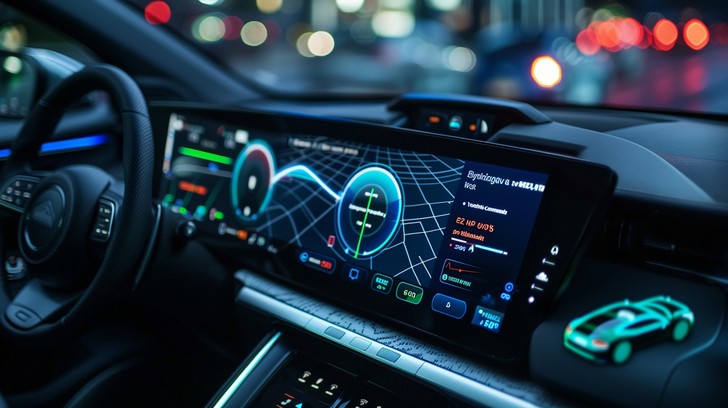

Modern cars can do more than ever before.
They can connect to smartphones, monitor blind spots, assist with parking, provide real-time navigation, and even help maintain a safe distance from other vehicles. These advances have made driving safer and more convenient, but they have also introduced a new challenge. As cars become more advanced, they can also become more complicated.
For many drivers, the most valuable feature is not the longest list of technology. It is the ability to use the vehicle naturally without searching through confusing menus or taking attention away from the road.
Simple controls have become more important than ever because they help drivers stay focused, reduce stress, and enjoy a smoother driving experience.
Driving requires constant attention
Every second behind the wheel involves making decisions.
Drivers monitor traffic, watch road signs, adjust their speed, and stay aware of pedestrians, cyclists, and changing road conditions.
When basic vehicle functions become difficult to access, unnecessary distractions are created.
Something as simple as adjusting the climate control or changing the radio station should not require scrolling through multiple screens.
Easy-to-use controls allow drivers to keep their attention where it belongs.
Familiar layouts build confidence
People learn quickly when controls are arranged logically.
Clearly labeled buttons, well-positioned switches, and intuitive steering wheel controls allow drivers to develop habits that become automatic over time.
Instead of thinking about where a function is located, they simply reach for it.
This familiarity improves confidence and reduces the mental effort required during every drive.
A well-designed cabin feels natural from the first journey.
Physical controls still have value
Touchscreens have become common in modern vehicles, but physical buttons remain important for frequently used functions.
Adjusting cabin temperature, changing audio volume, activating hazard lights, or defrosting the windshield can often be done faster with physical controls.
Drivers can usually locate buttons by touch without taking their eyes off the road.
This reduces distractions and supports safer driving.
Many manufacturers are now finding a balance between digital displays and traditional controls.
Simplicity reduces frustration
Complicated technology often creates unnecessary stress.
If drivers need several steps to complete a simple task, frustration quickly replaces convenience.
Straightforward controls make every interaction faster and easier.
Whether connecting a smartphone, selecting navigation, or adjusting vehicle settings, simple systems encourage drivers to use available features instead of avoiding them.
Technology should simplify driving rather than complicate it.
Everyday driving becomes easier
Most journeys involve ordinary tasks rather than exciting adventures.
Drivers commute to work, collect groceries, take children to school, or visit friends.
During these routine trips, ease of use matters far more than advanced features that are rarely used.
Simple controls help complete everyday tasks efficiently without demanding extra attention.
The best vehicle is often the one that quietly supports daily life.
New drivers benefit even more
People who are learning to drive already have a great deal to concentrate on.
Complicated infotainment systems and confusing control layouts can increase their workload.
Simple, clearly organized controls allow new drivers to focus on developing safe driving habits.
Even experienced drivers appreciate vehicles that remain straightforward and predictable.
Ease of use benefits everyone regardless of experience.
Technology should work in the background
Modern driver assistance systems provide valuable support, but they are most effective when they operate naturally.
Features such as adaptive cruise control, parking sensors, lane keeping assistance, and automatic emergency braking should provide help without constantly demanding the driver’s attention.
The best technology feels almost invisible.
It works quietly in the background while allowing the driver to remain in control.
This approach creates a more enjoyable ownership experience.
Accessibility matters for every driver
Drivers of different ages and abilities use today’s vehicles.
Simple controls make cars easier for everyone to operate.
Large buttons, clear displays, readable text, and logical menu structures improve accessibility and reduce confusion.
Good design considers the needs of all drivers rather than assuming everyone interacts with technology in the same way.
An intuitive vehicle creates confidence from the first drive.
Better design improves safety
Simple controls contribute directly to road safety.
The less time drivers spend searching for functions, the more time they spend watching traffic and responding to changing conditions.
Quick access to essential features such as windshield wipers, headlights, climate controls, and hazard lights allows drivers to react promptly when necessary.
Reducing distractions helps prevent mistakes before they happen.
Safety often begins with thoughtful design.
Simplicity creates lasting satisfaction
Many advanced features lose their novelty after a few weeks of ownership.
Simple usability, however, continues delivering value every day.
Drivers remember how easy a vehicle is to operate long after they have become familiar with its technology.
A car that feels intuitive remains enjoyable to own because it fits naturally into everyday routines.
Long-term satisfaction often comes from the details that make driving easier rather than the features that initially attract attention.
The takeaway
Simple controls matter more than ever because modern vehicles have become increasingly advanced.
Drivers need technology that supports them without creating unnecessary distractions or frustration.
Logical layouts, physical controls for common functions, intuitive touchscreens, accessible design, and thoughtfully integrated driver assistance features all contribute to a safer and more enjoyable driving experience.
The best cars are not necessarily the ones with the most technology.
They are the ones that make technology easy to use while allowing drivers to remain focused on the road. When controls feel natural and effortless, every journey becomes smoother, safer, and far less stressful.