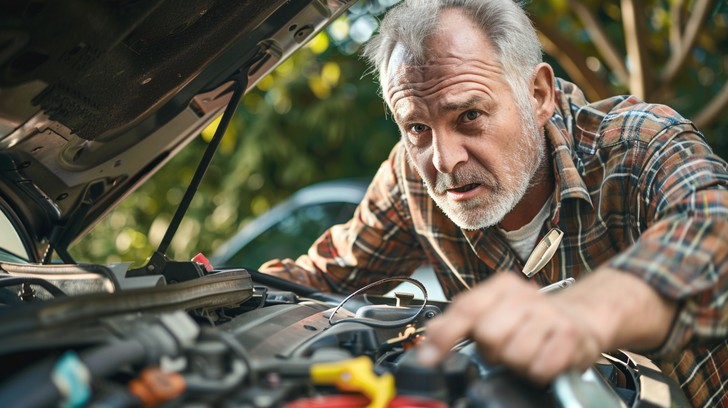

A small problem rarely stays small for long.
That faint squeaking sound, the tire that looks slightly low, or the warning light you keep meaning to investigate may not seem urgent today. Yet many of the most expensive car repairs begin with issues that could have been resolved quickly and affordably if they had been caught early.
Cars are designed to handle thousands of miles of driving, but they depend on regular attention to keep performing at their best. Ignoring routine inspections allows minor wear to develop into major mechanical failures, often leading to higher repair costs, unexpected breakdowns, and unnecessary stress.
Regular car checks are not simply another maintenance task. They are one of the most effective ways to protect your investment and keep your vehicle reliable for years.
Small issues are easier to fix
One of the greatest benefits of routine inspections is catching problems before they become serious.
A worn belt, a small fluid leak, or slightly uneven tire wear may seem insignificant at first. Left unattended, these minor issues can affect other parts of the vehicle and lead to much larger repairs.
For example, a small coolant leak can eventually cause the engine to overheat. Low tire pressure can increase tire wear while also affecting suspension and fuel efficiency.
Finding these problems early usually means simpler repairs and lower costs.
Regular checks improve safety
Your car’s safety depends on many components working together.
Brakes, tires, lights, steering, suspension, and windshield wipers all play important roles in helping you drive safely. If any of these systems begin to fail, your ability to respond to changing road conditions may be reduced.
Routine inspections help ensure these critical components remain in good condition.
Replacing worn brake pads before they damage brake discs or identifying a damaged tire before it fails can prevent dangerous situations on the road.
Safety is one of the strongest reasons to make regular checks a habit.
Better maintenance improves fuel efficiency
A well-maintained vehicle usually operates more efficiently.
Proper tire pressure reduces rolling resistance, clean air filters help the engine breathe effectively, and fresh engine oil minimizes unnecessary friction.
Even small maintenance items can influence how much fuel your car consumes.
Drivers who perform regular inspections are more likely to notice changes before they begin affecting fuel economy.
Maintaining efficiency not only saves money but also helps the vehicle perform more smoothly.
Warning signs become easier to recognize
The more familiar you are with your vehicle, the easier it becomes to notice when something changes.
Routine inspections help you understand what is normal.
When an unusual sound appears, a warning light comes on, or a fluid level drops unexpectedly, you are more likely to recognize that something needs attention.
This awareness allows you to respond quickly instead of waiting for the problem to become worse.
Early action is almost always less expensive than delayed action.
Regular inspections extend vehicle life
Every car experiences normal wear.
The goal of maintenance is not to prevent wear completely but to manage it before it affects other systems.
Replacing worn components at the right time reduces unnecessary strain on surrounding parts.
This helps the engine, transmission, suspension, and braking system continue performing properly.
Cars that receive consistent care often remain dependable for many more years than vehicles that receive attention only after problems appear.
Preventing breakdowns saves time
Unexpected breakdowns rarely happen at convenient moments.
They can interrupt work, family plans, vacations, or important appointments.
Routine inspections reduce the likelihood of these unexpected disruptions.
Checking battery condition, fluid levels, belts, hoses, and tires takes far less time than dealing with a roadside breakdown or waiting for major repairs.
Preventive maintenance protects both your schedule and your peace of mind.
Regular checks help protect resale value
A well-maintained vehicle is usually more attractive to future buyers.
Maintenance records demonstrate that the car has been cared for responsibly, giving potential buyers greater confidence.
A vehicle with documented service history often holds its value better than one with an uncertain maintenance record.
Regular inspections not only protect the car while you own it but can also improve its value when it is time to sell or trade it.
You do not need to be an expert
Many routine checks are simple enough for any driver to perform.
Checking tire pressure, monitoring engine oil, inspecting windshield wipers, testing exterior lights, and looking for visible fluid leaks require very little time.
Professional inspections remain important for more technical systems, but basic checks at home can identify many developing problems before they require major repairs.
Building these habits makes car ownership less stressful.
Consistency makes the difference
One inspection alone will not prevent every problem.
The real benefit comes from consistency.
Checking your vehicle every few weeks and following the manufacturer’s maintenance schedule creates a pattern of preventive care.
Over time, these small efforts reduce repair costs, improve reliability, and increase confidence behind the wheel.
The most dependable vehicles are often owned by people who pay attention to the little things.
The takeaway
Regular car checks prevent bigger problems because they allow small issues to be identified before they develop into expensive repairs or unexpected breakdowns.
Routine inspections improve safety, protect fuel efficiency, extend vehicle life, preserve resale value, and provide greater confidence every time you drive.
Taking a few minutes to inspect your vehicle today can save hours of inconvenience and significant repair costs in the future.
A reliable car is rarely the result of chance.
More often, it is the result of consistent attention, smart maintenance habits, and the willingness to address small concerns before they become major problems.