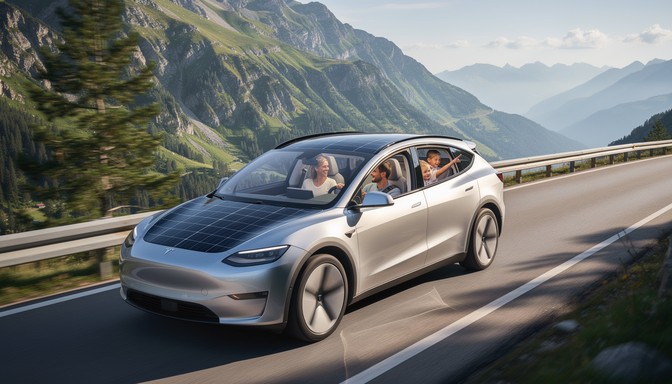

Not every drive feels the same, even when the destination is identical.
You can travel the same route in two different vehicles and come away with completely different experiences. One car leaves you feeling calm and relaxed, while the other makes you feel tired before you’ve even reached your destination.
The difference is not always about horsepower or luxury.
In many cases, it comes down to how well a vehicle supports the driver. The best cars reduce unnecessary effort, respond predictably, and create an environment that helps people stay comfortable and focused. They make driving feel natural rather than demanding.
That is why some cars simply feel less stressful to drive.
Predictable handling builds confidence
One of the biggest reasons a car feels relaxing is predictability.
Drivers feel more comfortable when they know exactly how a vehicle will respond. Smooth steering, balanced braking, and stable handling make it easier to navigate traffic, curves, and changing road conditions.
A predictable vehicle removes uncertainty.
Instead of constantly adjusting to unexpected reactions, drivers can focus on the road ahead. This confidence reduces mental fatigue and creates a smoother driving experience.
Trust between the driver and the vehicle develops over time, and predictable performance is one of the main reasons.
Comfort reduces fatigue
Comfort has a much greater impact on stress than many people realize.
Supportive seats, a natural driving position, and enough legroom allow drivers to remain comfortable during both short commutes and long journeys.
Ride quality also matters.
A vehicle that absorbs bumps and rough roads effectively places less strain on the driver. Instead of constantly feeling every imperfection in the road, occupants enjoy a smoother experience.
When physical fatigue is reduced, mental fatigue often decreases as well.
A comfortable car helps drivers arrive feeling more refreshed.
A quiet cabin creates calm
Noise is an overlooked source of driving stress.
Wind noise, engine sounds, tire noise, and traffic can slowly increase fatigue during a journey. Drivers may not notice the effect immediately, but constant background noise requires mental energy to process.
Cars with well-insulated cabins create a calmer atmosphere.
Conversations become easier. Music sounds clearer. The overall driving experience feels more peaceful.
A quiet interior gives drivers an opportunity to focus without feeling overwhelmed by their surroundings.
Good visibility makes driving easier
Drivers feel more relaxed when they can clearly see what is happening around them.
Large windows, properly positioned mirrors, and thoughtful vehicle design reduce blind spots and improve awareness. Parking, changing lanes, and navigating busy intersections all become easier.
Modern camera systems and parking sensors add another layer of confidence by helping drivers monitor areas that are difficult to see.
The less time drivers spend guessing, the less stressful driving becomes.
Good visibility supports better decisions and smoother journeys.
Helpful technology reduces workload
Modern technology can make everyday driving more manageable.
Navigation systems simplify unfamiliar routes. Adaptive cruise control reduces effort during highway travel. Parking assistance helps in tight spaces, while driver assistance features provide useful reminders and alerts.
The best technology works quietly in the background.
It supports the driver without becoming distracting or complicated.
When routine tasks become easier, drivers have more attention available for the road itself.
This reduces mental workload and makes driving feel less demanding.
Reliable performance brings peace of mind
Nothing creates stress like wondering whether a car will develop problems during an important trip.
Reliable vehicles remove much of that uncertainty.
Drivers who trust their cars spend less time worrying about warning lights, unexpected breakdowns, or unusual mechanical behavior. Instead, they can focus on reaching their destination with confidence.
Reliability creates peace of mind that extends beyond individual journeys.
It becomes part of everyday ownership.
Easy controls improve the experience
A well-designed interior can make a surprising difference.
Simple controls, logical layouts, and easy-to-read displays reduce distractions. Drivers can adjust important settings without taking their attention away from the road for long periods.
Complicated systems often increase frustration because basic tasks become harder than they need to be.
Cars that feel intuitive allow drivers to focus on driving instead of learning complicated controls.
Good design quietly supports every journey.
Fuel efficiency reduces everyday pressure
Stress does not only come from driving itself.
Owning a vehicle also involves managing ongoing expenses. Fuel-efficient cars help reduce one of the biggest recurring costs of ownership.
Drivers who spend less on fuel often feel more comfortable taking extra trips, visiting family, or enjoying weekend travel without constantly thinking about expenses.
Financial peace of mind contributes to a more relaxed ownership experience.
Confidence grows over time
Drivers often become more comfortable with a vehicle the longer they own it.
They learn how it responds, where its controls are located, and how it behaves in different situations. A well-designed car strengthens this confidence by remaining consistent and dependable.
Over time, the vehicle becomes familiar.
That familiarity reduces hesitation and allows driving to feel almost effortless.
Confidence is one of the strongest contributors to a low-stress driving experience.
The takeaway
Some cars feel less stressful to drive because they reduce unnecessary effort at every stage of the journey.
Comfortable seating, predictable handling, quiet cabins, good visibility, reliable performance, intuitive controls, and helpful technology all work together to create a calmer experience behind the wheel.
The best vehicles do more than transport people from one place to another.
They make daily travel feel easier, more comfortable, and more enjoyable. When a car supports the driver instead of creating additional challenges, every journey becomes a little more relaxing.
In the end, reducing stress is not about driving less.
It is about driving a vehicle that makes every mile feel simpler and more comfortable.