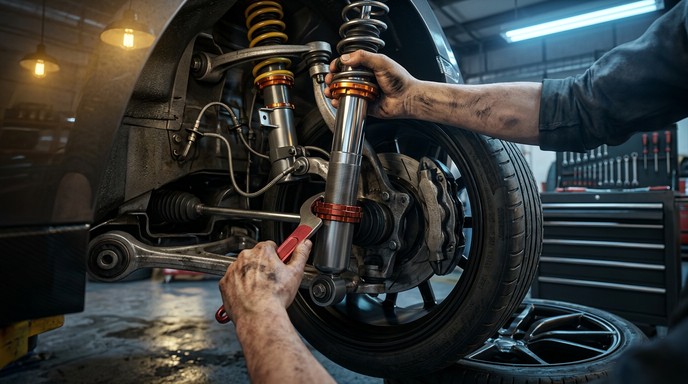

Nothing ruins a good day quite like an unexpected visit to the mechanic.
One moment your car seems to be running perfectly, and the next you’re dealing with a warning light, strange noise, or repair bill you never planned for. While some mechanical problems are unavoidable, many of the issues that send drivers to repair shops begin long before anything actually breaks.
The good news is that preventing frequent repairs is often less complicated than people think.
Keeping a car in good condition is not about having expert mechanical knowledge. It is about building a few simple habits that protect the vehicle over time. Small actions performed consistently can help prevent major problems, reduce repair costs, and keep your car dependable for years.
Here are some of the best ways to spend less time at the mechanic and more time enjoying your vehicle.
Follow the maintenance schedule
Every vehicle comes with a recommended maintenance schedule for a reason.
Routine services such as oil changes, filter replacements, fluid inspections, and tire rotations are designed to keep important systems working properly. Skipping these appointments may save time or money in the short term, but it often leads to more expensive repairs later.
Preventive maintenance allows technicians to identify small problems before they become major failures.
Think of routine servicing as an investment rather than an expense.
Pay attention to warning signs
Cars usually give drivers early clues when something is wrong.
A new sound, unusual vibration, burning smell, or dashboard warning light should never be ignored. These signals often appear before a small issue becomes a costly repair.
Many drivers continue using their vehicles because everything still seems to work normally. Unfortunately, waiting can allow damage to spread to other components.
Addressing problems early is almost always easier and less expensive than waiting until something fails completely.
Check your fluids regularly
Your vehicle depends on several essential fluids to operate safely and efficiently.
Engine oil, coolant, brake fluid, transmission fluid, and windshield washer fluid all play important roles. Low or contaminated fluids can increase wear, reduce performance, and eventually damage major systems.
You do not need to be a mechanic to check basic fluid levels.
A quick inspection every few weeks can help identify leaks or low levels before they become serious problems.
Take care of your tires
Tires affect far more than ride quality.
Driving with incorrect tire pressure or unevenly worn tires places additional strain on the suspension, steering system, and brakes. It can also reduce fuel efficiency and increase the risk of tire failure.
Check tire pressure regularly and inspect the tread for signs of uneven wear.
Rotating your tires according to the manufacturer’s recommendations also helps them wear evenly and last longer.
Healthy tires contribute to the overall health of the vehicle.
Drive smoothly
Your driving style has a direct impact on how long vehicle components last.
Rapid acceleration, hard braking, and aggressive cornering increase wear on the engine, brakes, suspension, and transmission.
Smooth driving reduces unnecessary stress throughout the vehicle.
Accelerate gradually, maintain safe following distances, and brake gently whenever possible.
Not only will your car benefit, but your driving experience will often become more comfortable as well.
Do not ignore unusual noises
Cars are remarkably good at communicating when something needs attention.
Squealing brakes, knocking sounds, rattles, grinding noises, or clicking sounds should never be dismissed as normal.
Even if the vehicle still drives well, unusual noises often indicate developing problems.
Having these issues inspected early can prevent much larger repairs later.
A five-minute inspection today may prevent days without your vehicle in the future.
Keep the car clean
Cleaning your vehicle does more than improve its appearance.
Regular washing removes dirt, road salt, mud, and debris that can damage paint and contribute to corrosion. Cleaning the interior also helps preserve materials and allows you to notice leaks, moisture, or other developing issues more easily.
Do not forget the underside of the vehicle, especially if you frequently drive on roads with dirt, sand, or salt.
A clean car is often easier to maintain because potential problems become more visible.
Use quality replacement parts
When repairs are necessary, quality matters.
Choosing reliable replacement parts and recommended fluids helps maintain your vehicle’s performance and durability. Extremely cheap alternatives may reduce costs initially, but they can sometimes wear out faster or affect the performance of surrounding components.
Following the manufacturer’s recommendations whenever possible helps keep the vehicle operating as intended.
Reliable repairs often save money over the long term.
Avoid overloading your vehicle
Every vehicle is designed to carry a certain amount of weight.
Frequently exceeding that limit increases stress on the suspension, brakes, tires, and engine. It can also affect handling and fuel efficiency.
Before carrying heavy loads, check your vehicle’s recommended weight limits.
Reducing unnecessary weight is a simple way to reduce long-term wear.
Build good ownership habits
The most reliable vehicles are often owned by people who pay attention to small details.
They check tire pressure, schedule maintenance, respond to warning signs, and avoid delaying repairs. These habits may seem minor individually, but together they create a significant difference over the life of the vehicle.
Good ownership is about consistency.
The goal is not perfection. It is simply staying ahead of problems before they become expensive.
The takeaway
Avoiding frequent trips to the mechanic starts with prevention.
Regular maintenance, careful driving, routine inspections, and quick responses to early warning signs can dramatically reduce the chances of major repairs. Taking care of small issues today helps protect your vehicle from larger problems tomorrow.
A dependable car is rarely the result of luck.
More often, it is the result of steady care, smart habits, and paying attention to the little things that keep everything running smoothly. The time you invest in maintenance today can save you money, stress, and unexpected breakdowns for years to come.