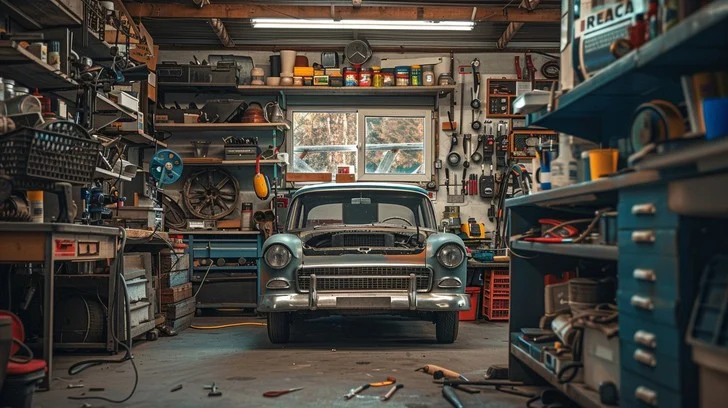

It usually starts with something small.
A warning light appears for a day and then disappears. The brakes make a slight noise during traffic. Maybe the engine feels a little rougher than usual, but the car still drives, so it is easy to assume everything is fine.
That is how many major car problems begin.
Small maintenance delays rarely stay small for long. What could have been solved quickly and affordably often grows into a repair that costs far more in time, money, and frustration. The problem is not always the issue itself. It is the decision to wait.
Cars depend on timing
Modern cars are built as connected systems. One part affects another, and small problems can create a chain reaction if they are ignored.
Take engine oil, for example. Delaying an oil change may not seem serious at first. The car still runs, and there may be no immediate warning signs. But over time, dirty oil loses its ability to properly lubricate the engine.
As friction increases, engine components begin to wear faster. Heat builds up, performance drops, and what started as a simple maintenance task can eventually lead to severe engine damage.
The same pattern applies to many parts of a car. Delays create pressure on systems that were designed to work under proper conditions.
Brake issues never improve on their own
Brakes are one of the clearest examples of how small delays become expensive problems.
At first, you may hear a faint squealing noise. The car still stops normally, so it feels safe to postpone the inspection. But brake pads wear down over time, and once they become too thin, they begin damaging the brake rotors.
Replacing brake pads is relatively affordable. Replacing pads and damaged rotors costs significantly more.
Beyond cost, delayed brake maintenance also affects safety. Reduced braking performance increases stopping distance and creates unnecessary risk.
Ignoring small brake issues is rarely worth the gamble.
Tires reveal problems early
Tires often show signs of trouble before larger issues appear.
Uneven tire wear can point to alignment problems. Low tire pressure can affect fuel efficiency and handling. Small cracks or worn tread reduce grip and increase the risk of blowouts.
Many drivers notice these issues but continue driving because the car still feels usable.
The problem is that tires influence stability, steering, and braking. Delaying tire maintenance does not just wear out the tires faster. It places additional stress on suspension and steering components as well.
A simple alignment adjustment today may prevent multiple repairs later.
Warning lights are early alerts
Dashboard warning lights are designed to give you time to act before problems become severe.
Unfortunately, many drivers treat them as background noise, especially if the car still seems to drive normally.
A check engine light might indicate something minor, such as a sensor issue, but it can also signal problems that affect fuel efficiency, emissions, or engine performance. Waiting too long makes diagnosis harder and repairs more expensive.
Cars rarely repair themselves. A warning light that disappears temporarily does not mean the issue is gone.
The earlier you respond, the easier the problem is usually to manage.
Heat and friction make everything worse
Most car problems grow because heat and friction increase over time.
A neglected fluid change leads to overheating. Worn components create extra strain. Small leaks become larger as pressure builds.
Cars operate under constant movement and temperature changes. When one part starts struggling, nearby systems are affected as well.
That is why minor maintenance issues can spread surprisingly fast. A small coolant leak today can lead to overheating tomorrow. A weak battery can strain the charging system. A damaged belt can affect multiple engine components.
The longer the delay, the more connected problems appear.
Delays cost more than maintenance
Many people postpone maintenance to avoid spending money in the short term. Ironically, this often leads to far higher expenses later.
Routine maintenance is predictable and manageable. Emergency repairs are not.
Replacing fluids, filters, or worn parts early is almost always cheaper than fixing major damage after failure occurs.
There is also the inconvenience factor. A car that suddenly breaks down disrupts your schedule, creates stress, and may leave you stranded at the worst possible time.
Preventive maintenance may feel optional in the moment, but unexpected repairs rarely are.
Reliability is built through consistency
Cars that remain reliable for years usually have one thing in common: consistent care.
Owners who address small issues early tend to avoid major mechanical failures. They pay attention to warning signs, follow maintenance schedules, and avoid waiting until problems become impossible to ignore.
This approach keeps the car running smoothly and preserves long-term value.
A well-maintained car is not necessarily a newer car or a more expensive one. Often, it is simply a car that has been cared for consistently.
Small habits make a big difference
Good maintenance habits do not need to be complicated.
Checking tire pressure regularly, listening for unusual sounds, monitoring fluid levels, and responding to warning lights early can prevent many larger issues.
Even simple actions like scheduling oil changes on time or replacing worn wiper blades contribute to the overall condition of the car.
The goal is not perfection. It is awareness and consistency.
The takeaway
Small maintenance delays become big problems because cars are built as connected systems. When one part struggles, other parts begin to feel the impact.
What starts as a minor issue can quickly grow through heat, friction, and continued use. The longer a problem is ignored, the more expensive and stressful it usually becomes.
Paying attention early protects both your car and your wallet. In most cases, the easiest repair is the one handled before it turns into something bigger.
And when it comes to keeping a car reliable for years, small actions taken at the right time often matter the most.