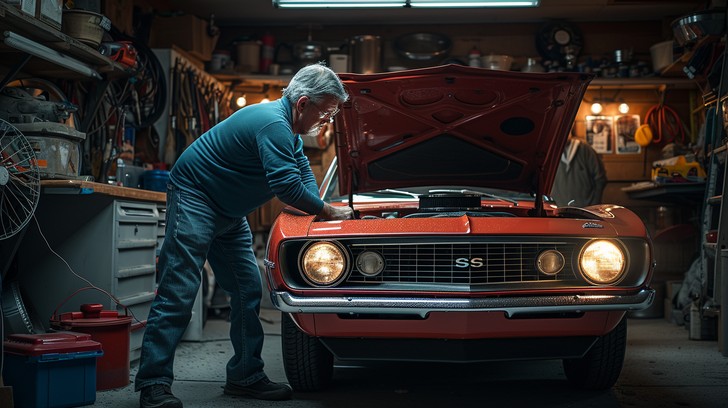

A new car has a certain feeling that is hard to ignore.
The engine sounds smooth. The ride feels tight and controlled. Every button works perfectly, and nothing rattles or squeaks. It feels like something you want to preserve for as long as possible.
The good news is that keeping your car running like new is not about luck. It comes down to consistent habits, smart decisions, and paying attention to small details before they turn into bigger problems.
Stick to regular maintenance
The simplest way to protect your car is to follow its maintenance schedule. It may not seem exciting, but it is one of the most effective things you can do.
Oil changes are at the top of that list. Clean oil keeps the engine running smoothly and reduces wear. Skipping oil changes might save money today, but it often leads to expensive repairs later.
Other routine checks matter just as much. Brake inspections, fluid top-ups, and filter replacements all help your car perform at its best. These are not just technical tasks. They are part of keeping the entire system working in harmony.
Think of maintenance as prevention rather than repair.
Pay attention to warning signs
Cars rarely fail without warning. Most issues start small and give you signs if you are paying attention.
Unusual noises, changes in how the car drives, or warning lights on the dashboard should never be ignored. What seems like a minor issue can quickly grow into something more serious.
If your car starts to feel different, trust that instinct. Getting it checked early often saves both time and money.
A smooth, reliable car is usually the result of small problems being handled before they become major ones.
Drive with care
How you drive has a direct impact on how long your car stays in good condition.
Aggressive acceleration, hard braking, and speeding put extra strain on the engine, brakes, and suspension. Over time, this leads to faster wear and higher maintenance costs.
Gentle driving, on the other hand, helps preserve key components. Smooth acceleration and gradual braking reduce stress on the system.
Even simple habits like avoiding potholes when possible or slowing down on rough roads can make a difference.
Driving with care is not about being slow. It is about being controlled and consistent.
Keep it clean inside and out
Cleanliness is often overlooked when talking about performance, but it plays a bigger role than most people think.
Regular washing protects the exterior from dirt, dust, and contaminants that can damage the paint over time. In areas with harsh weather, cleaning also helps prevent rust.
The interior matters too. Dust, spills, and debris can wear down materials and create an unpleasant environment.
A clean car is easier to maintain. It also helps you notice potential issues, such as leaks or unusual wear, that might otherwise go unnoticed.
Use quality parts and fluids
When it is time to replace parts or top up fluids, quality matters.
Using the right engine oil, brake fluid, and coolant ensures that your car operates as intended. Cheap or incorrect products may save money upfront but can lead to poor performance or damage.
The same applies to replacement parts. Reliable components last longer and perform better. They also reduce the chances of repeated repairs.
It is worth investing in the right materials if your goal is long-term reliability.
Take care of your tires
Tires are the only part of your car that touches the road, and they have a major impact on performance and safety.
Keeping your tires properly inflated improves fuel efficiency and ensures even wear. Underinflated or overinflated tires wear out faster and can affect handling.
Regular rotation helps extend tire life. It allows them to wear evenly instead of putting too much pressure on one area.
Also, pay attention to alignment. If your car pulls to one side or the steering feels off, it may be a sign that the wheels need adjustment.
Healthy tires contribute to a smoother, more stable driving experience.
Protect the engine during short trips
Short trips may seem harmless, but they can actually be harder on your car than longer drives.
When the engine does not have enough time to reach its optimal temperature, it does not operate as efficiently. This can lead to buildup and increased wear over time.
If possible, combine short trips into one longer drive. This gives the engine a chance to warm up properly and function as intended.
It is a small adjustment that can have a noticeable impact over the years.
Store your car properly
Where and how you park your car also affects its condition.
Whenever possible, park in a covered or shaded area. This protects the exterior from sun damage and keeps the interior from overheating.
If your car will not be used for an extended period, take a few extra steps. Keep the battery charged, ensure the tires are properly inflated, and consider using a cover.
Proper storage helps maintain both performance and appearance.
Build consistent habits
Keeping your car running like new is not about doing one big thing. It is about doing the right small things consistently.
Regular checks, careful driving, and timely maintenance all add up over time. Each habit contributes to preserving the condition of your car.
When you stay consistent, your car rewards you with reliability, comfort, and fewer unexpected issues.
The takeaway
A car that runs like new after years of use is not a coincidence. It is the result of attention, care, and smart choices.
By focusing on maintenance, driving habits, and overall care, you can extend the life of your car and keep it performing at a high level.
The goal is not perfection. It is consistency. And with the right approach, that smooth, reliable feeling you had on day one can stay with you for years to come.