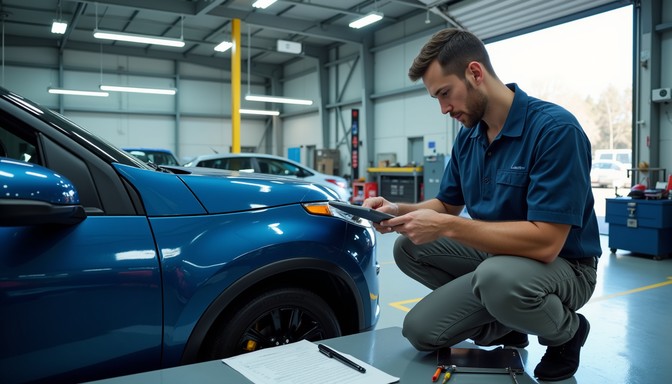

A car rarely breaks down out of nowhere. In most cases, it gives small signals long before anything serious happens. A slight noise, a subtle vibration, or a warning light that gets ignored for weeks. These small signs are easy to overlook in daily life, yet they often point to issues that could have been prevented with simple, regular checks.
Many people only think about maintenance when something goes wrong. By then, the problem is usually more expensive and more inconvenient than it needed to be. Regular checks change that pattern. They shift car care from reaction to prevention, and that difference saves both time and money in the long run.
At its core, regular checking is about awareness. A vehicle is a complex machine made up of many connected systems. When one part starts to weaken, it often affects others. For example, low engine oil might not seem urgent at first, but it can lead to overheating or long-term engine damage. A quick check once in a while can catch this before it becomes serious.
Tyres are one of the most important areas that benefit from regular attention. Proper tyre pressure and tread depth directly affect safety, fuel efficiency, and handling. Underinflated tyres can increase fuel consumption and reduce control on the road. Worn-out tread reduces grip, especially in wet conditions. Yet many drivers only notice tyre issues when performance has already dropped.
Fluids are another area that often gets ignored. Engine oil, brake fluid, coolant, and transmission fluid all play critical roles in keeping a car running smoothly. These fluids degrade over time. Without regular checks, you might not realize they need replacement until damage has already started. A simple inspection can prevent breakdowns that leave you stranded or facing costly repairs.
Brakes deserve special attention. They are one of the most important safety systems in any vehicle. Brake pads wear down gradually, which makes changes easy to miss. Regular checks ensure that wear is detected early, allowing replacement before performance is affected. This is not just about comfort but about safety for everyone on the road.
Battery health is another area that benefits from routine inspection. Car batteries do not always fail suddenly. Often, they weaken over time, leading to slow starts or inconsistent performance. A quick check can reveal corrosion, low charge, or aging signs before the battery stops working completely.
Regular checks also improve driving confidence. When you know your car is in good condition, you drive with less worry. You are less likely to be distracted by strange noises or unexpected behavior. This mental ease can make a real difference, especially during long trips or daily commutes in busy traffic.
There is also a financial advantage that often goes unnoticed. Preventive maintenance is almost always cheaper than emergency repairs. Replacing a worn brake pad is far less expensive than repairing damaged rotors. Fixing a small oil leak early costs far less than repairing engine damage caused by oil loss. Over time, these small savings add up significantly.
Another benefit is improved fuel efficiency. A well-maintained car runs more smoothly and uses fuel more efficiently. Clean filters, properly inflated tyres, and healthy engine components all contribute to better mileage. Regular checks ensure that small inefficiencies do not build up into larger costs at the fuel station.
It is also worth noting that regular maintenance helps preserve the value of a car. If you ever decide to sell or trade it in, a well-documented service history can make a big difference. Buyers are more confident in a vehicle that has been consistently cared for. It signals reliability and reduces uncertainty.
Some drivers avoid regular checks because they assume they are time-consuming or complicated. In reality, many checks take only a few minutes. Checking tyre pressure, looking at fluid levels, or scanning the dashboard for warning lights can be done quickly. Even occasional professional inspections can prevent long-term issues.
Technology has made this process even easier. Many modern cars come with built-in diagnostic systems that alert drivers to potential problems early. While these systems are helpful, they should not replace manual checks entirely. Human observation still plays an important role in noticing subtle changes that sensors might miss.
The habit of regular checking is not just about the car itself. It reflects a broader approach to responsibility and planning. Small, consistent actions often prevent larger problems. This principle applies beyond vehicles, but cars are one of the clearest examples of how maintenance habits directly impact daily life.
In the end, regular checks matter more than many people realize because they quietly prevent the problems that cause the most disruption. They reduce breakdowns, improve safety, lower costs, and extend the life of the vehicle. Most importantly, they turn car ownership into a smoother and more predictable experience.
A car that is checked regularly does not just perform better. It becomes more reliable, more efficient, and less stressful to own. And that is something every driver can appreciate, even if they only notice its value when nothing goes wrong.