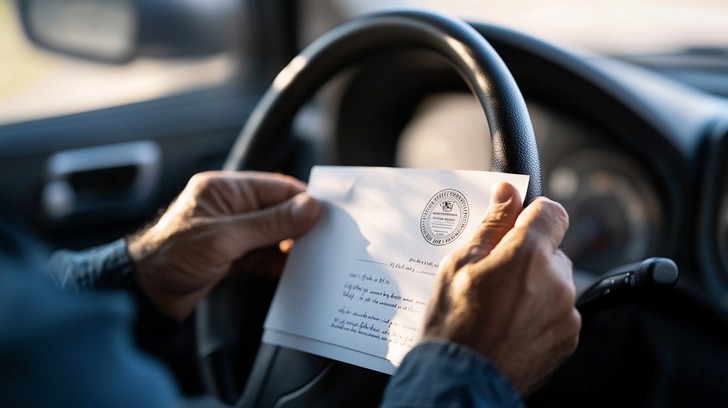

The excitement of buying a car can make even the most careful person act too quickly. A new model catches your eye, a dealer offers a limited-time deal, and suddenly the pressure builds. It feels like you need to decide now or miss out. That is exactly how many people end up with the wrong car, not because they lacked options, but because they rushed the decision.
Avoiding that mistake is less about knowing everything about cars and more about slowing down your thinking process. A car is not a small purchase. It affects your daily routine, your finances, and your comfort for years. When the decision is rushed, the consequences tend to show up long after the excitement fades.
One of the most common triggers for rushed decisions is marketing pressure. Dealers often create urgency with phrases like “limited stock” or “today only offer.” While some deals are real, many are designed to shorten your thinking time. A good rule is simple: if a decision feels forced, it is worth stepping back. A car should fit your life, not a deadline.
Another reason people rush is emotional attachment. It is easy to fall in love with a car during a test drive. The interior feels smooth, the engine responds well, and everything looks perfect in the moment. But that short experience does not always reflect daily reality. A calm test drive is helpful, but it should be followed by reflection, not immediate commitment.
Before making any decision, it helps to define what you actually need. This sounds basic, but many buyers skip it. Think about how you will use the car most of the time. Is it for long commutes, family transport, city driving, or occasional travel? A car that looks impressive but does not match your routine can quickly become frustrating.
Budget is another area where rushing causes problems. People often focus on the monthly payment instead of the total cost. Insurance, fuel, maintenance, and depreciation all add up. A car that seems affordable at first can become expensive over time. Taking a broader view of cost helps prevent unpleasant surprises later.
Research plays a major role in slowing things down. Reading reviews, comparing models, and watching real owner experiences gives you a clearer picture than any showroom visit. Pay attention to recurring issues mentioned by drivers. If many people highlight the same problem, it is likely worth considering. This kind of information is easy to miss when decisions are rushed.
It also helps to compare more than one option. Even if you like a particular car, looking at similar models can give you perspective. Sometimes another vehicle offers better comfort, improved fuel efficiency, or stronger reliability for a similar price. Without comparison, it is easy to assume the first good option is the best one.
Taking time between visits can also change your perspective. After seeing a car you like, step away for a few days. If you still feel confident about it after the excitement fades, that is a strong sign. If your interest drops or doubts grow, that is equally important information. Time has a way of revealing how real your preference is.
Another helpful approach is involving someone you trust. A second opinion can highlight details you may have missed. This is not about letting someone else decide for you, but about getting a clearer view. Sometimes another person will ask simple questions that expose weaknesses in your choice.
Financing decisions deserve special attention. Car loans and payment plans can make a purchase seem easier than it really is. Before committing, it is important to understand interest rates, loan duration, and total repayment. A rushed financial decision can limit your flexibility for years, even if the car itself is a good match.
It is also wise to think about long-term value. A car is not just about how it feels today. Consider how it will perform after several years of use. Will it still be comfortable? Will maintenance costs rise significantly? Will it suit your lifestyle if your needs change? These questions are often overlooked when decisions are made quickly.
Patience is the most underrated tool in car buying. It does not mean delaying indefinitely. It means allowing yourself enough time to separate emotion from logic. When the pressure of urgency fades, clearer judgment takes its place.
The goal is not to find a perfect car, because no such thing exists. The goal is to find a car that fits your needs without creating unnecessary stress or financial strain. That kind of decision rarely happens in a rush.
In the end, avoiding the wrong car decision comes down to one principle: give yourself time to think when everything around you is trying to speed you up. A calm decision today leads to fewer regrets tomorrow, and a car that truly fits your life rather than one that simply felt right in the moment.