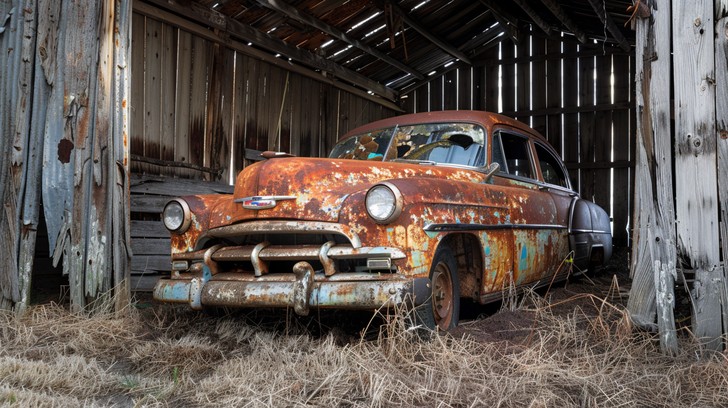

A good car rarely falls apart overnight.
Most vehicles do not go from reliable to problematic in a single moment. Instead, the decline happens gradually. A missed oil change here, an ignored warning light there, a strange noise that never gets checked. Each issue seems small on its own, easy to postpone until a more convenient time.
The problem is that cars remember every delay.
What starts as minor neglect can quietly build into expensive repairs, reduced reliability, and a shorter lifespan. Many vehicles that develop major problems were once dependable cars that simply did not receive consistent care.
The surprising part is that the biggest threats to a good car are often not dramatic failures. They are the small habits that seem harmless at the time.
Delaying routine maintenance
One of the most common forms of neglect is postponing routine maintenance.
Oil changes, fluid checks, tire rotations, and inspections can feel repetitive. When a car appears to be running normally, it is easy to assume these services can wait a little longer.
Unfortunately, routine maintenance exists for a reason.
Engine oil gradually loses effectiveness, fluids become contaminated, and components wear over time. Delaying service allows unnecessary strain to build throughout the vehicle.
A single late oil change may not cause immediate damage, but repeated delays can shorten engine life significantly.
Small maintenance habits often determine how well a car performs years down the road.
Ignoring warning lights
Dashboard warning lights are designed to get attention.
Yet many drivers continue using their cars for weeks or even months after a warning light appears. Sometimes the vehicle still feels normal, which creates the temptation to ignore the issue.
The danger is that warning lights often appear before major damage occurs.
They provide an opportunity to fix problems while they are still manageable. Ignoring them allows the underlying issue to continue developing.
What could have been a simple repair may eventually become a far more expensive one.
A warning light is not merely a suggestion. It is a request for attention before the situation worsens.
Forgetting about tire care
Tires are easy to overlook because they spend most of their time out of sight.
However, neglecting tire pressure, alignment, or rotation affects much more than tire lifespan. It can reduce fuel efficiency, increase suspension wear, and affect overall safety.
Underinflated tires create extra resistance, forcing the vehicle to work harder. Uneven wear can indicate alignment problems that place stress on other components.
Simple tire maintenance takes very little time, but ignoring it can create costs that extend far beyond replacing tires themselves.
Overlooking unusual sounds
Cars communicate through sound.
A squeak, rattle, grinding noise, or vibration often appears long before a major failure occurs. These sounds are early warnings that something has changed.
Many drivers become accustomed to these noises or assume they are not serious.
Unfortunately, mechanical problems rarely improve without intervention. Components continue wearing, and minor issues often spread to connected systems.
The earlier a strange sound is investigated, the easier it is to prevent additional damage.
Listening carefully can save both money and frustration.
Skipping regular cleaning
Cleaning may seem unrelated to vehicle health, but neglecting it can contribute to long-term problems.
Dirt, road salt, moisture, and debris gradually affect both the exterior and interior. Over time, these contaminants can accelerate rust, damage paint, and wear down materials.
Interior neglect creates similar issues. Dust, spills, and moisture can permanently affect upholstery and cabin surfaces.
A clean car is easier to inspect, easier to maintain, and more likely to retain its value.
Regular cleaning is not only about appearance. It is part of preservation.
Driving habits matter too
Neglect is not always about maintenance. Sometimes it comes from daily driving behavior.
Aggressive acceleration, hard braking, speeding over rough roads, and ignoring potholes place unnecessary stress on the vehicle.
These habits increase wear on brakes, suspension components, tires, and drivetrain systems.
Many drivers focus only on repairs while overlooking the impact of how they operate the car.
Careful driving helps components last longer and reduces the likelihood of unexpected repairs.
Small fluid leaks become large problems
A few drops of fluid under a car may not seem urgent.
Because the vehicle continues running normally, many drivers postpone inspections. However, fluids play essential roles in cooling, lubrication, braking, and transmission operation.
Even small leaks can gradually reduce fluid levels and affect system performance.
What begins as a minor seep can eventually lead to overheating, poor braking, or major mechanical damage.
Early detection is usually simple and affordable. Waiting often makes repairs more complicated.
Maintenance records matter
Neglect can also take the form of poor organization.
Drivers who fail to track maintenance often forget service intervals, overlook inspections, or lose important repair history.
Keeping records helps ensure maintenance happens consistently and on schedule.
It also improves resale value because future buyers can see evidence of proper care.
A well-documented car often reflects a well-maintained car.
Reliability fades gradually
One reason small neglect is so dangerous is that the effects appear slowly.
The car still starts. It still drives. It still completes daily tasks.
Because changes happen gradually, drivers adapt to declining performance without realizing it.
Fuel efficiency drops slightly. Comfort decreases. Reliability becomes less consistent.
Months or years later, the cumulative effect becomes obvious.
By then, many small issues have combined into larger and more expensive problems.
The takeaway
The small neglect that slowly ruins a good car rarely feels important in the moment.
A delayed oil change, ignored warning light, overlooked tire issue, or unusual sound may seem minor on its own. But cars are systems where small problems often lead to larger consequences.
The good news is that preventing this decline does not require extraordinary effort.
Consistent maintenance, attention to warning signs, careful driving, and routine care go a long way toward preserving a vehicle’s reliability and value.
A good car can remain a good car for many years.
The difference often comes down to whether small issues are addressed today or left to become bigger problems tomorrow.