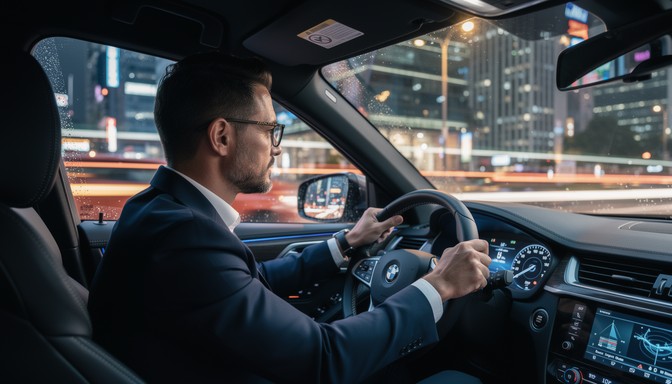

You used to just get in and go. That was the routine. No second thought, no preparation beyond grabbing your keys. In 2026, that approach feels outdated. Driving itself has not disappeared, but the way people prepare for it has quietly evolved. Small, smart routines now shape smoother, safer, and less stressful journeys.
The biggest shift starts before you even leave your house. Drivers are building a habit of checking their route in real time, not just for traffic, but for a full picture of the journey ahead. Modern navigation tools now factor in road quality, construction patterns, weather disruptions, and even driving difficulty. A five minute glance at your route can help you avoid sudden detours or frustrating bottlenecks. It is less about reacting on the road and more about starting informed.
Another routine gaining traction is the quick vehicle sync check. Cars in 2026 are more connected than ever, but that connection only works well when everything is aligned. Drivers now take a moment to ensure their phone, navigation system, and car interface are all synced properly. It prevents mid-drive distractions like reconnecting apps, fixing audio issues, or re-entering destinations. This simple habit saves time and keeps your focus where it should be once the car is in motion.
Cabin setup has also become more intentional. Instead of adjusting mirrors, seats, and climate settings while driving, many drivers now treat it as a pre-drive ritual. Seat position, steering alignment, temperature, and even lighting are set before the car moves. Some people go further by setting a preferred sound environment, whether that means quiet, music, or a podcast queued up and ready. Starting the drive in a settled environment reduces the urge to make adjustments later, which lowers distraction.
One of the more interesting changes is how drivers manage their mental state before driving. It used to be common to carry stress from work or daily life straight into the car. In 2026, more people are taking a minute to reset before they move. This could be as simple as sitting still for a few seconds, taking a breath, or mentally reviewing the route ahead. It sounds small, but it creates a noticeable difference in focus and patience on the road.
Voice control has also reshaped driving routines. Instead of reaching for screens or buttons, drivers are relying more on voice commands to handle tasks like navigation updates, calls, and media control. The routine here is not just using voice commands, but setting them up in advance. Saving frequent destinations, creating shortcuts, and customizing commands means fewer interruptions during the drive. It turns the car into a more responsive environment that works with you instead of pulling your attention away.
Another routine that has become more common is energy awareness. With the rise of electric vehicles and more efficient fuel tracking systems, drivers are paying closer attention to range and consumption. Instead of waiting until the tank is low or the battery is nearly empty, people are planning refueling or charging stops ahead of time. This reduces anxiety and prevents last minute decisions that can disrupt a trip. It also encourages smoother driving habits that conserve energy.
Drivers are also becoming more conscious of their digital boundaries. Notifications used to flood in during every trip, from messages to app alerts. Now, many people activate a driving mode before they start the car. This limits interruptions and allows only essential notifications to come through. It is a routine that protects focus and makes the driving experience feel less chaotic.
Parking, which was once an afterthought, is now part of the pre-drive plan. Instead of arriving and hoping for a space, drivers often check parking availability in advance. Some systems even allow you to reserve a spot or get real time updates on open spaces. This reduces the stress of circling crowded areas and saves time, especially in busy cities.
There is also a growing habit of post-drive review, though it is subtle. After reaching their destination, some drivers take note of how the trip went. Was the route efficient, was there unexpected traffic, did the car perform as expected. This is not a formal process, but more of a quick reflection that helps improve future drives. Over time, it builds a better understanding of your regular routes and patterns.
Another routine that stands out is keeping the car consistently ready. Instead of waiting for a problem to appear, drivers are adopting light, regular checks. Tire pressure, fluid levels, and system updates are handled in small, frequent intervals. It prevents larger issues and keeps the vehicle performing smoothly. The goal is not perfection, but consistency.
Even the way people end their drive has changed. Rather than rushing out of the car, many drivers take a moment to reset the cabin. Clearing out clutter, checking that nothing important is left behind, and ensuring the car is ready for the next trip. It is a small habit, but it creates a better starting point every time you get back in.
What ties all these routines together is intention. Driving in 2026 is less reactive and more prepared. It is about reducing friction at every stage, from planning to execution to follow up. None of these habits are complicated on their own, but together they transform the experience.
The road is still unpredictable. Traffic still builds, weather still shifts, and unexpected situations still happen. But with the right routines, those challenges feel easier to handle. You are not just driving anymore. You are managing the experience in a way that keeps you calm, focused, and a step ahead.