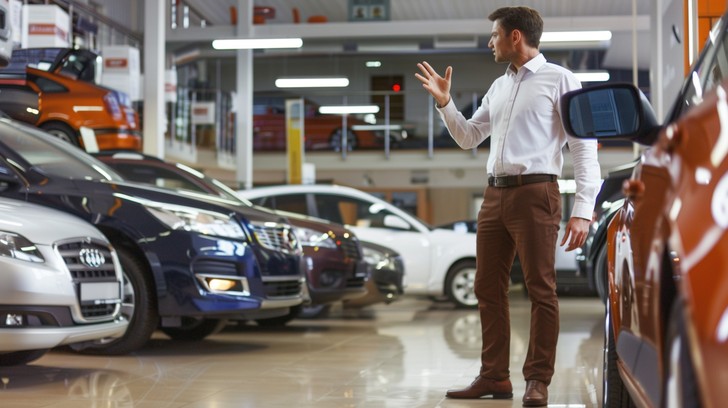

One of the biggest regrets buyers share is spending more than they intended. This usually happens when emotions take over at the dealership. A car looks better in person, the features feel tempting, and suddenly the budget feels flexible.
To avoid this, set a firm maximum budget before you start shopping and include everything. That means purchase price, insurance, registration, fuel, and maintenance. Once that number is clear, treat it as non negotiable. If a car pushes you past it, walk away. There will always be another option.
Choosing looks over practicality
A car can look perfect and still be wrong for your life. Many buyers regret choosing a car based on style without thinking about daily use. Low ground clearance, cramped back seats, limited boot space, or high fuel consumption often become problems after the excitement fades.
Before buying, think honestly about how you will use the car most days. Consider traffic, road conditions, passengers, luggage, and parking. A car that fits your routine will always feel better long term than one that only looks good in photos.
Ignoring long term running costs
The price on the sticker is only part of the story. Some cars are affordable to buy but expensive to own. Fuel consumption, spare parts, servicing, and repairs can quickly add up.
Many regrets come from realizing too late that a car is costly to maintain. To avoid this, research common maintenance costs for the model you want. Ask about service intervals, parts availability, and fuel efficiency. A slightly higher purchase price can be worth it if ownership costs stay reasonable.
Skipping a proper inspection
This regret is especially common with used cars. Buyers trust appearances, seller assurances, or quick test drives and skip a thorough inspection. Problems show up later, and fixing them costs time and money.
Always inspect a car properly or have a trusted mechanic do it. Check the engine, suspension, brakes, tires, electronics, and service history. A short delay for inspection can save months of frustration.
Not test driving enough
Some buyers take a short drive and assume everything is fine. Later, they notice uncomfortable seats, poor visibility, stiff steering, or annoying road noise.
A test drive should feel like a preview of daily life. Drive on different roads if possible. Sit in traffic, park the car, test acceleration, and listen carefully. If something feels off, it probably is.
Buying based on pressure
Sales pressure can lead to rushed decisions. Limited time offers, other interested buyers, or persuasive sales talk can push people into choices they are not fully comfortable with.
The best way to avoid this regret is simple. Take your time. A good car will still be a good car tomorrow. If a deal feels rushed or uncomfortable, step back. Confidence comes from clarity, not urgency.
Overestimating future needs
Some buyers regret buying too big or too powerful because they planned for a future that never arrived. Extra seats, engine power, or features may sound useful, but they often go unused while increasing costs.
Buy for your current lifestyle, not a hypothetical one. It is easier to upgrade later than to live with a car that feels excessive every day.
Ignoring resale value
Cars are not permanent for most people. Buyers often regret choosing models that lose value quickly or are hard to resell.
To avoid this, look at how well a car holds its value in your market. Reliable brands, popular models, and neutral colors tend to sell faster and retain value better.
How to make a regret-free choice
Avoiding regret does not require expert knowledge. It requires patience, honesty, and preparation. Know your budget. Understand your needs. Do your research. Take your time.
The right car should fit into your life quietly and reliably. When that happens, ownership feels easy. And that is something no flashy feature can replace.
Buying a car is a big decision, but it does not have to be a stressful one. With the right mindset, you can drive away confident that your choice will still feel right long after the excitement settles.